Skip to content
ZinCuTec
Since 2000 · Handcrafted in Germany
NOTHING IS ORDINARY.
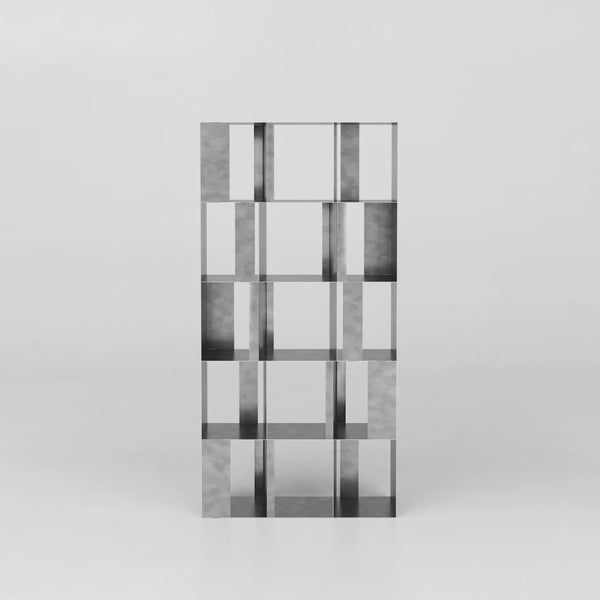
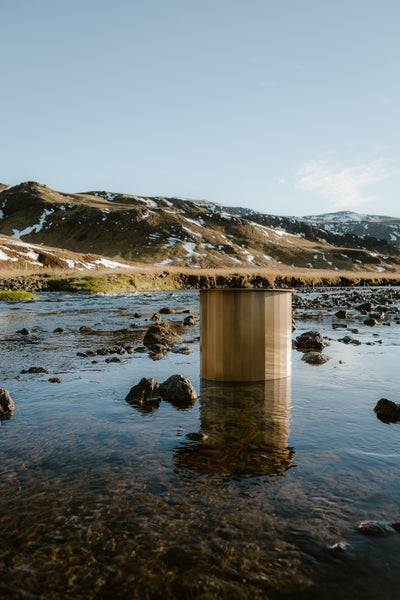
In the video · INFINITY BOOKSHELF
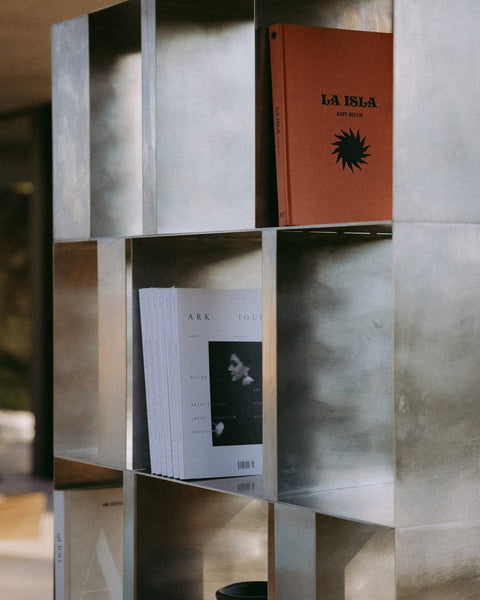
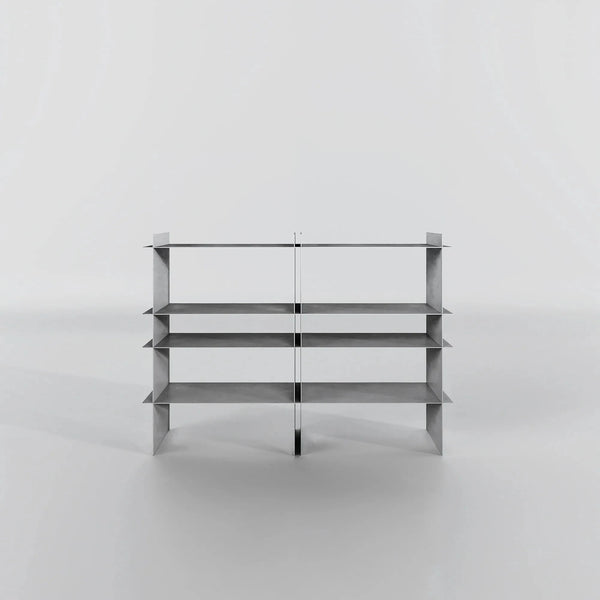
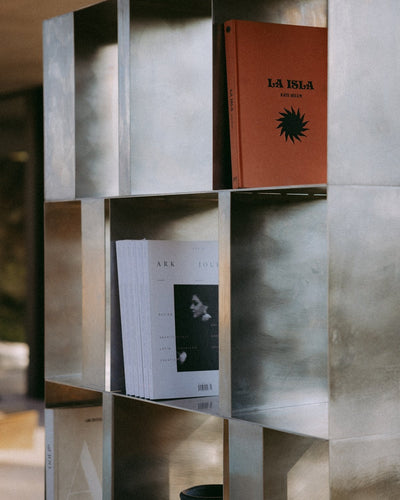
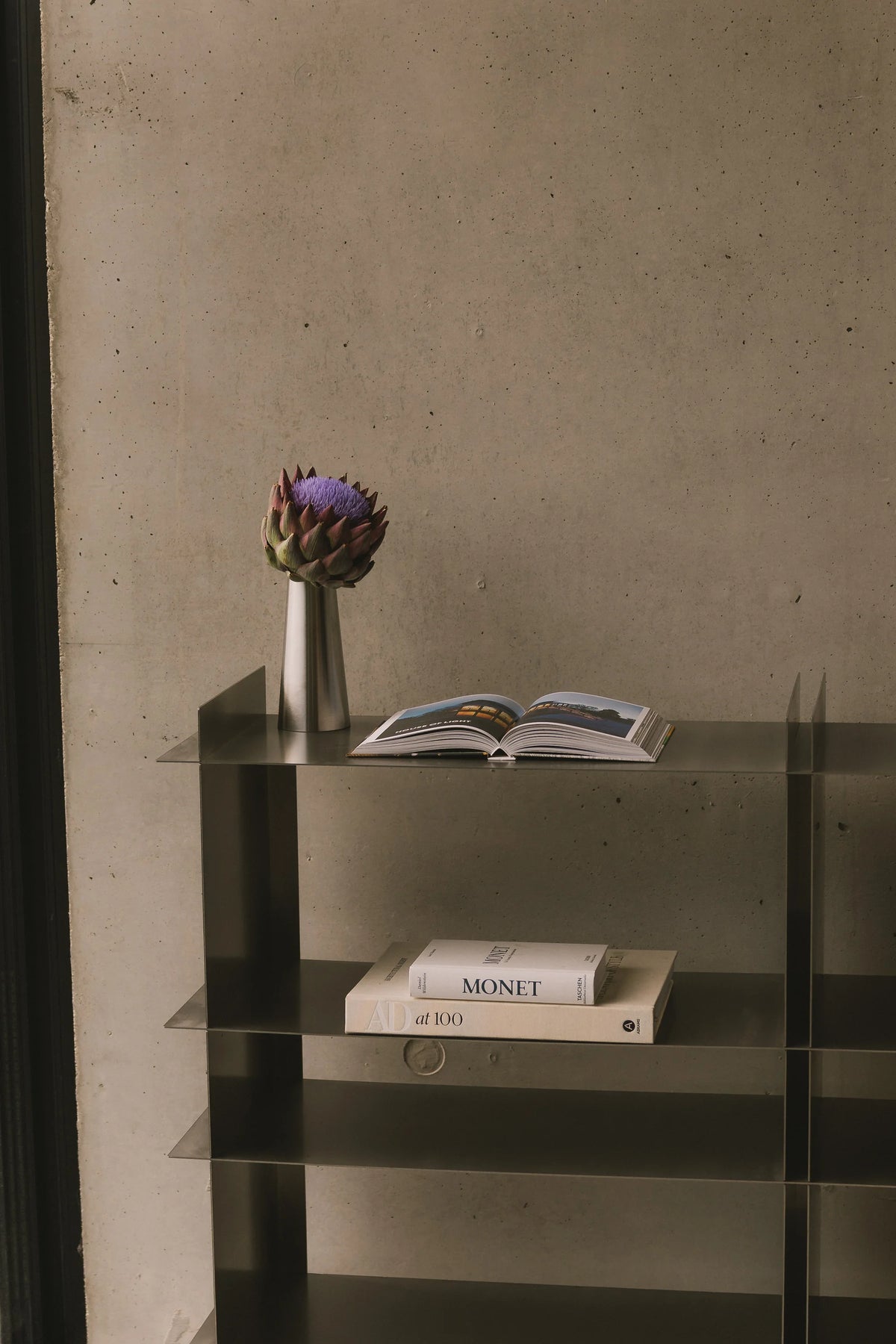
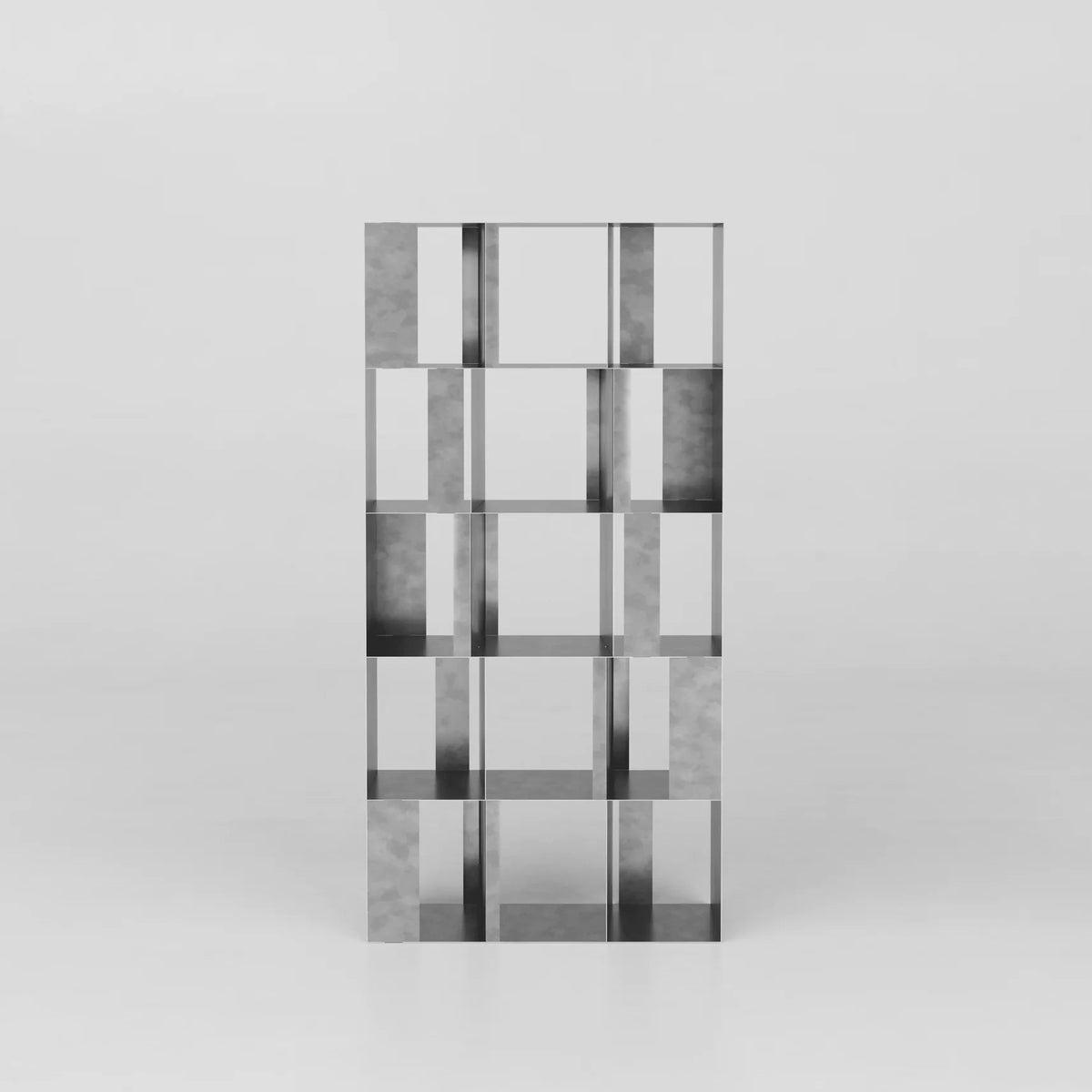
INFINITY BOOKSHELF
Raw stainless steel · from €2,350.00
HandcraftedWorkshop · Germany
Premium DeliveryFree
Statutory warrantyDetails online
14-Day ReturnsOn stocked pieces

The art of rethinking metal. Metal furniture in brass and stainless steel, handmade in Germany

Metal is a material with a history of its own. Shaped by time, by change and by the traces of its surroundings. At ZinCuTec, this quality is not hidden but deliberately brought out.

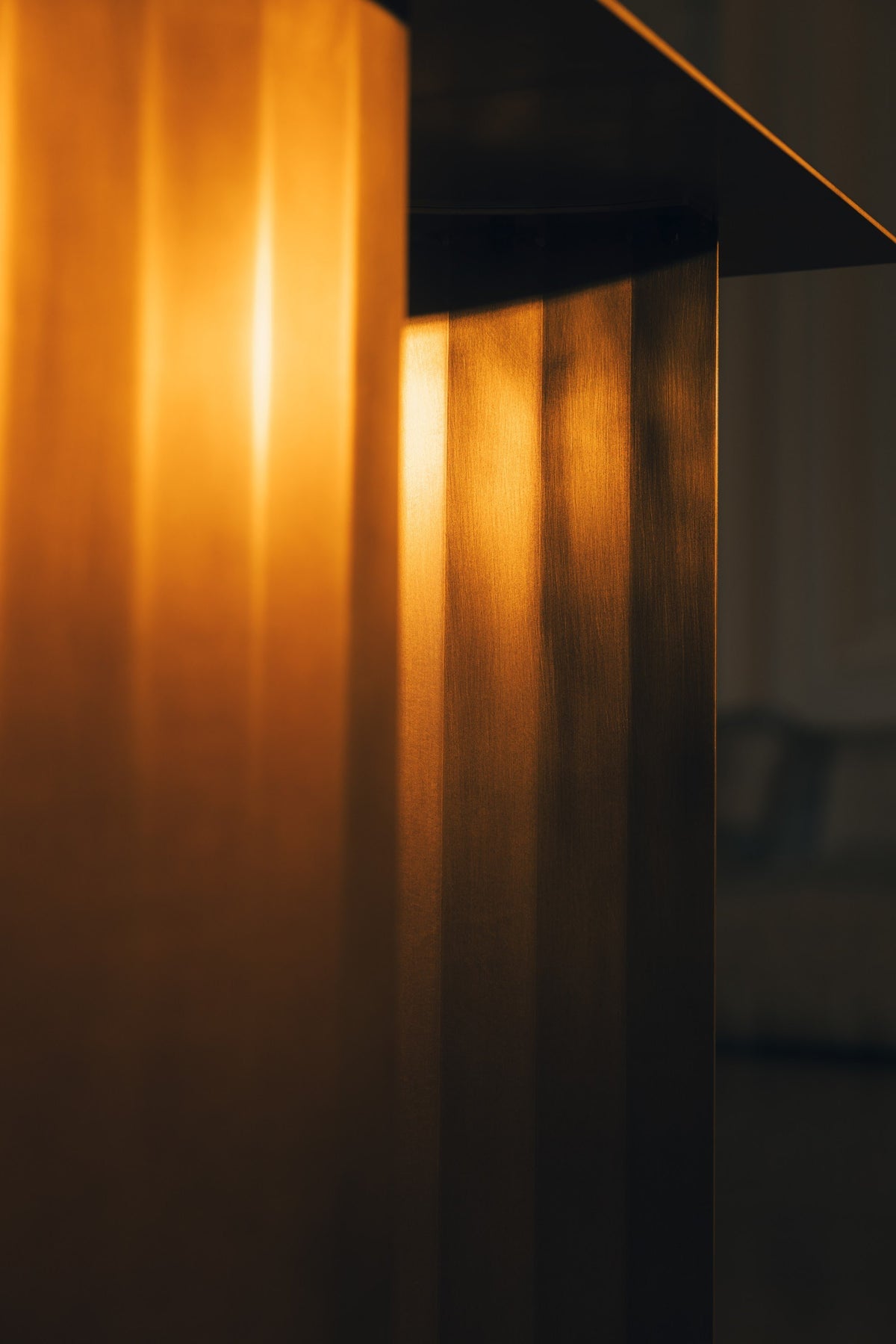
At the centre are burnished brass and brushed stainless steel. Two materials with different characters, united by a shared attitude to design. Targeted surface treatment creates patina, depth and textures that cannot simply be reproduced. Every surface develops its own identity and turns each piece of furniture into an individual object.

ZinCuTec · since 2000

The story.

ZinCuTec was established in 2000 within the architectural sector with the vision of redefining how metal is experienced in space. Rooted in craftsmanship, architecture, and material exploration, we create bespoke furniture and architectural solutions from brass, stainless steel, and refined metals with distinctive high end surfaces. Our objective has always been to shape materials with precision, atmosphere, and timeless design integrity.

In 2025, ZinCuTec began translating its architectural expertise into furniture design, merging precision with endless creativity. Each piece is created to bring a sense of calm, balance, and quiet presence into a space. Sculptural forms, refined surfaces, and raw materials come together to create objects that feel less like furniture and more like atmosphere.

More about us
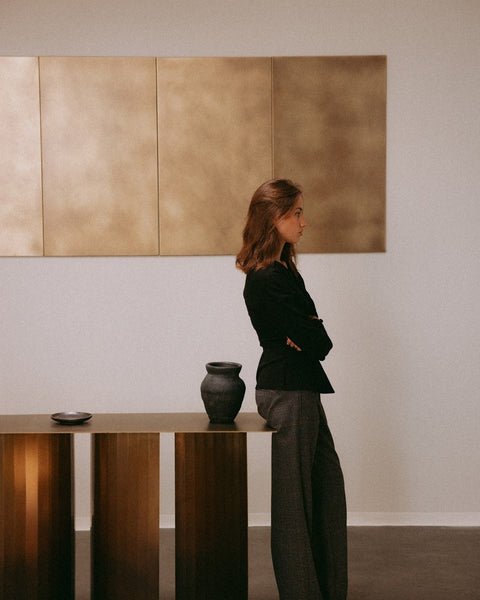
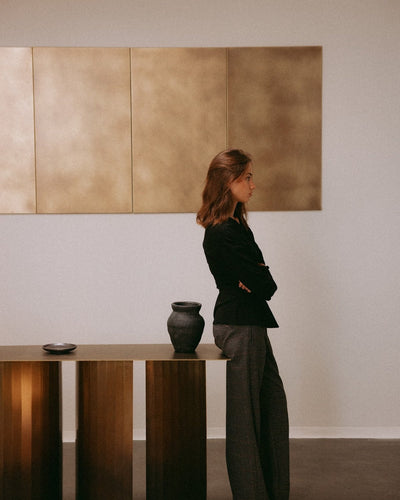
Wall cladding in burnished brass with a woman walking past
Brass wall cladding
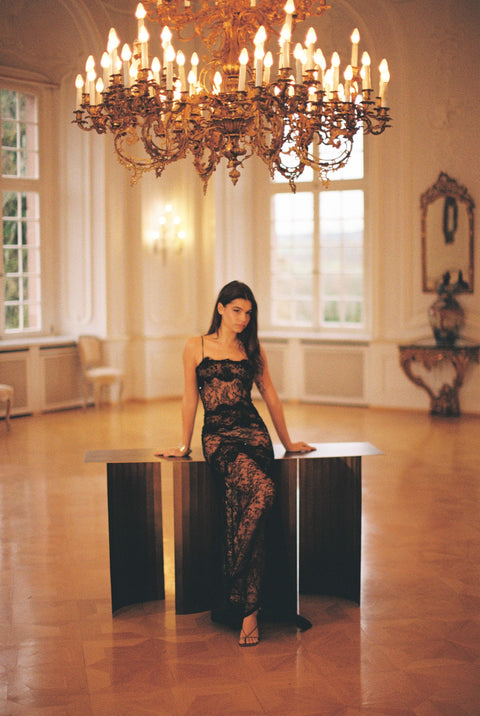
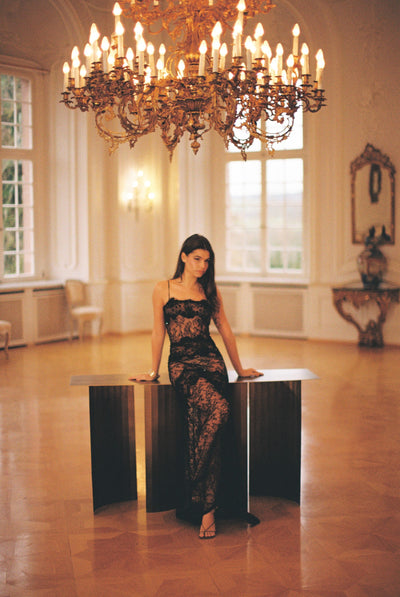
Model at the TUKKON CONSOLE in brass in front of brass wall panels
TUKKON CONSOLE · Vogue
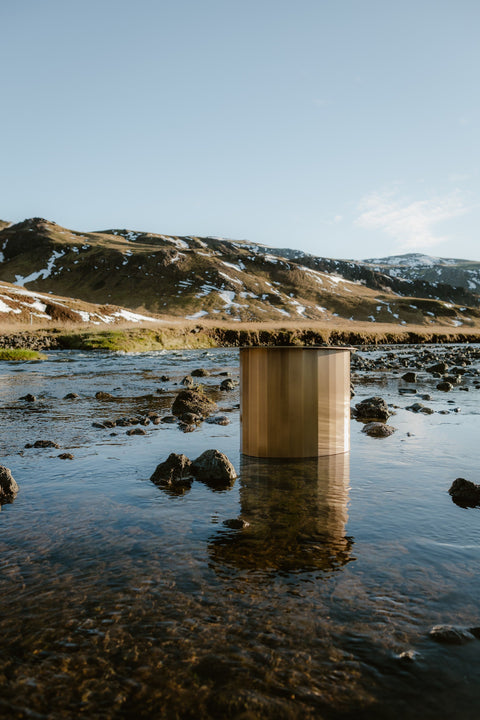
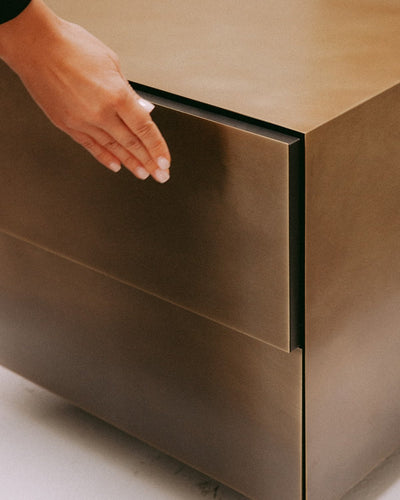
TUKKON CONSOLE in burnished brass in warm light

“Metal is a material with a history of its own.”

@zincutec

Latest on Instagram.

33,913FollowersFollow
33,913 Followers
TEAM · GERMANY
Who we are

One workshop.
No outsourcing.

We are friends. Bound by creativity, driven by passion. Everything that leaves here was laser-cut, bent, welded, and finished here.

Metal furniture from our own workshop

Metal furniture in this house has a simple origin: one manufacturer, two materials, the same address since 2000. Patinated brass and brushed stainless steel, that's all on the list.

Read moreRead less

Each piece begins with metal and is cut, folded, welded, ground and finished in the same workshop. The brass patina is created before sealing and preserved by it. Because each surface is individually finished, each piece bears the trace of its own making.

Metal furniture made of two materials: why we limit ourselves

Most programs grow over the material. A manufacturer who sells oak adds walnut, then glass, then three colors for the fronts. The manufacturer behind this metal furniture has taken the opposite approach: since 2000, it has worked with two materials and has not added a third. This is not modesty, but a decision about what you want to know.

A material is not understood in weeks, but over years. Anyone who folds the same sheet of metal every day knows at what radius the edge begins to crack. Anyone who burnishes every week knows the temperature at which the brass sets too quickly and the day on which the air in the hall is too humid for this. Such knowledge is in your hands and only grows if the material remains the same.

This limitation has a consequence on space that one only notices when it is missing. All metal furniture in this program comes from the same canon and sits next to each other without anyone having coordinated them. Two stainless steels from two sources immediately show that their cuts are different; two brass tones from two bathrooms look like relatives who haven't seen each other for a long time.

The difference is clearest when furnishing a home gradually rather than all at once. What you order this year and add five years later has seen the same workshop, the same sheet metal and the same bath. The pieces do not have to learn to get along; they already know one another.

What distinguishes designer furniture from a manufacturer

The term designer furniture has become broad. It describes mass-produced furniture with a well-known name as well as individual pieces from a manufacturer. What separates the two is not the label, but the distance between idea and material. In a workshop it is short. Whoever draws the shape stands a few meters away from the machine that will edge it and knows its tolerance before the first line is in place.

This proximity changes the details. An edge may be half a millimeter further in because someone saw the light running over it. A radius can be a touch softer because the tool allows it. In outsourced production, such decisions fall through the cracks because they are not included in any drawings. In the case of metal furniture from a manufacturer, it is created in a conversation between the person who designs and the person who builds it.

The second difference is on the surface, and it is the more visible one. Patination is not a layer that is placed on the brass, but a reaction that takes place within it. It is created by hand, in a bath that changes from day to day. Two copies of the same model therefore show different gradients, one warmer, the other deeper. With stainless steel, the brushed finish takes on this role; it is also pulled by hand.

People seeking high-quality furniture often mean precisely this variation without naming it: a piece that does not look like a thousand others because it was not made like a thousand others. Mass production can do many things, but it cannot produce genuine individuality. A workshop can do little else.

Show moreShow less

From sheet metal to finished furniture: how we make metal furniture

A piece of metal furniture begins as a panel, flat and unintentional. The laser cuts out the development of the later piece, i.e. the body, unfolded into the plane. Then the bending bench presses the sheet metal along a line around a tool; The surface becomes an angle, the angle becomes a leg, and several angles become a body. Each radius is a decision that the material only allows in one direction.

Where two surfaces meet, they are welded and the seam is ground. Stainless steel is then brushed and brass patinated, and a final sealing holds this finish in place.

These weeks are not a waiting time in front of a warehouse, but the time in which the metal furniture is created in the first place. There is no hall with packaged goods. It is built according to the order, for the room from which it comes. Handcrafted furniture requires patience and in return gives something in return that stock items do not: influence the result before it is finalized.

Perhaps that is the essence of what distinguishes a workshop from a catalog. A catalog shows what is available; a production shows what can become of it if someone asks. The answer is not always a yes; sometimes it is an indication that a measure is too much for the material. This is also part of a piece of furniture that is made by hand: it is said beforehand, not afterwards.

The collections at a glance

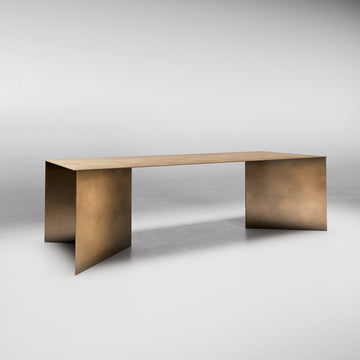
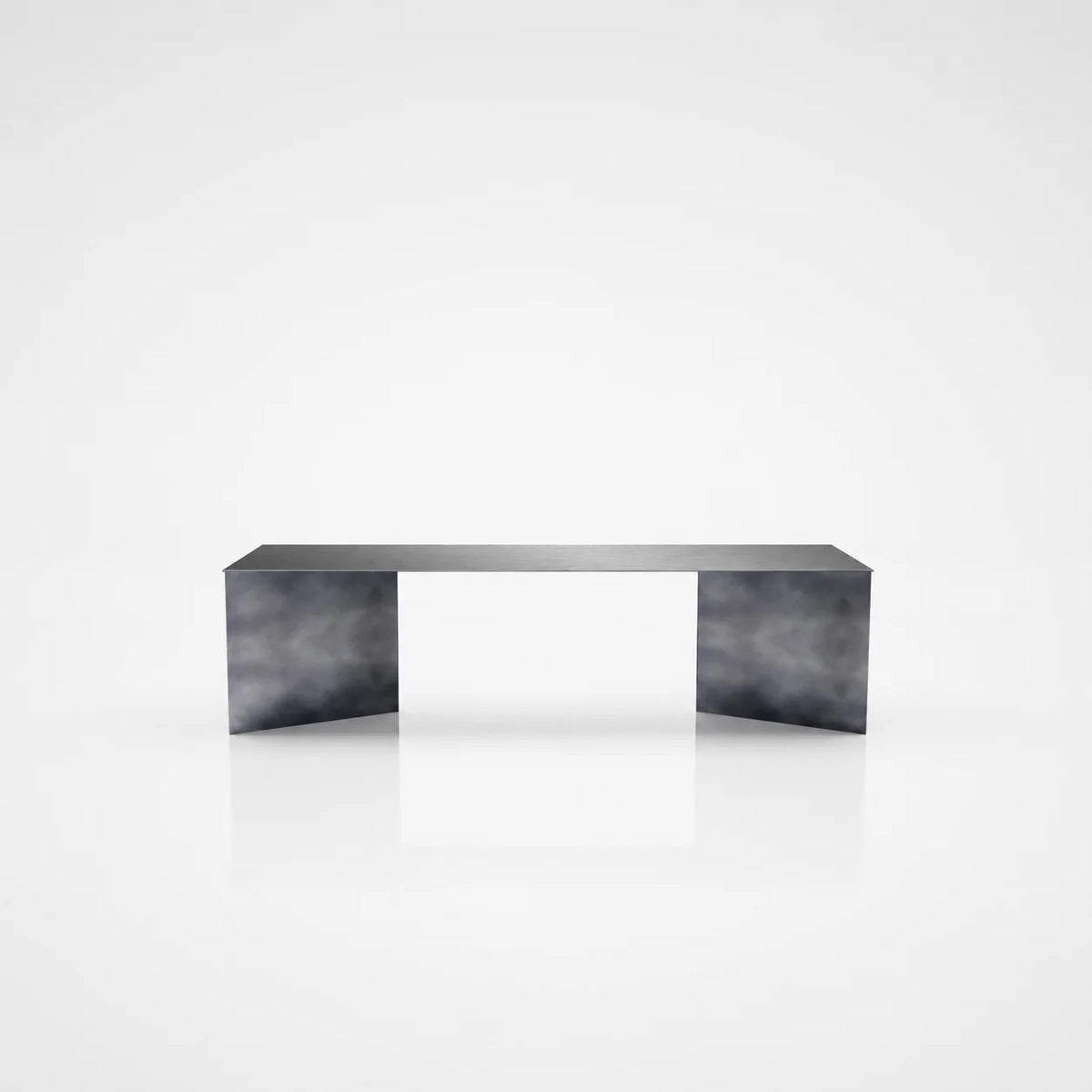
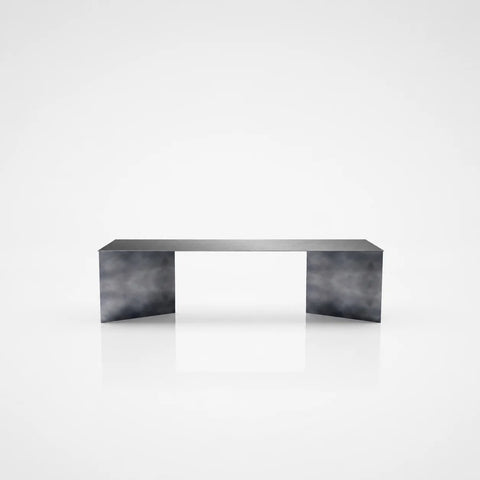
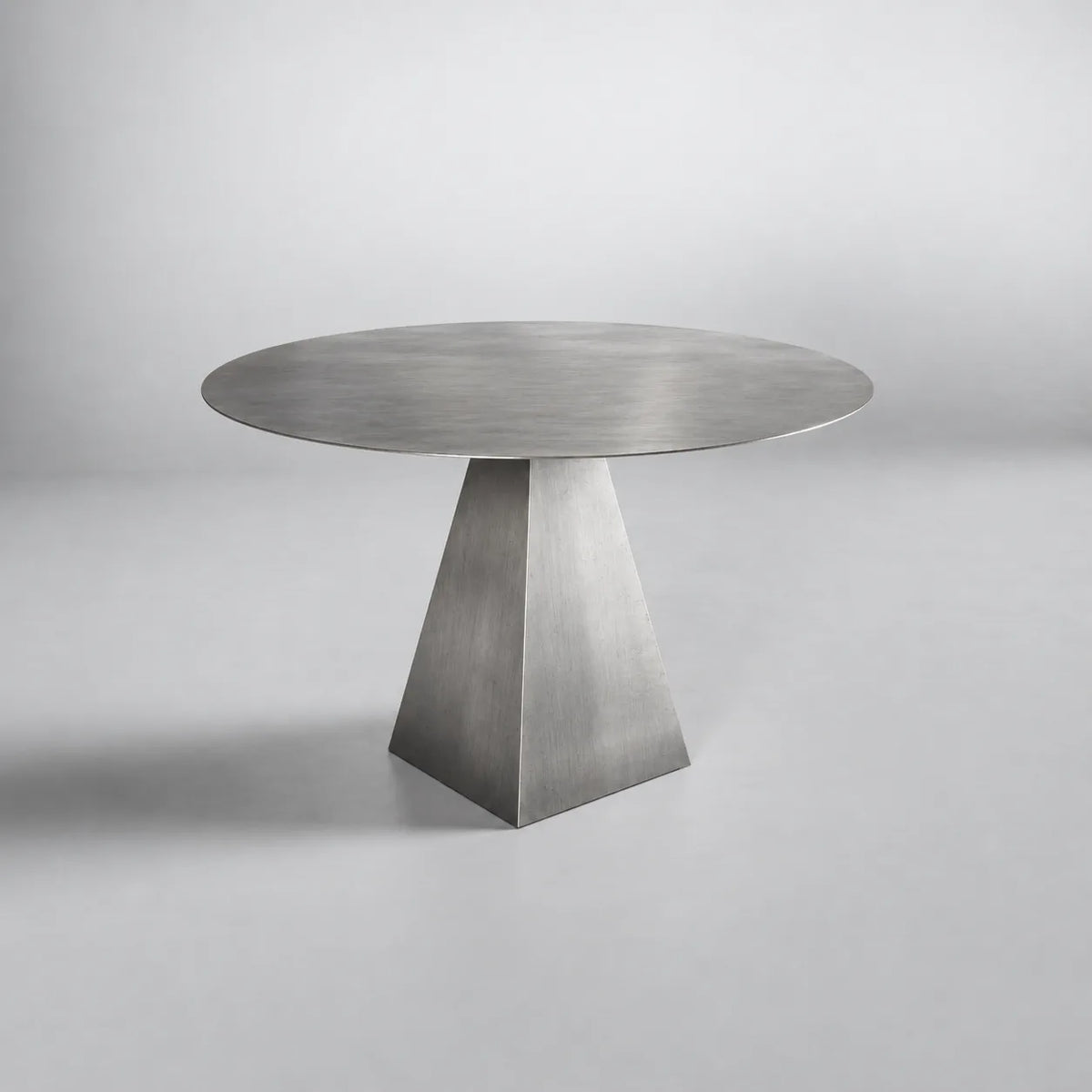
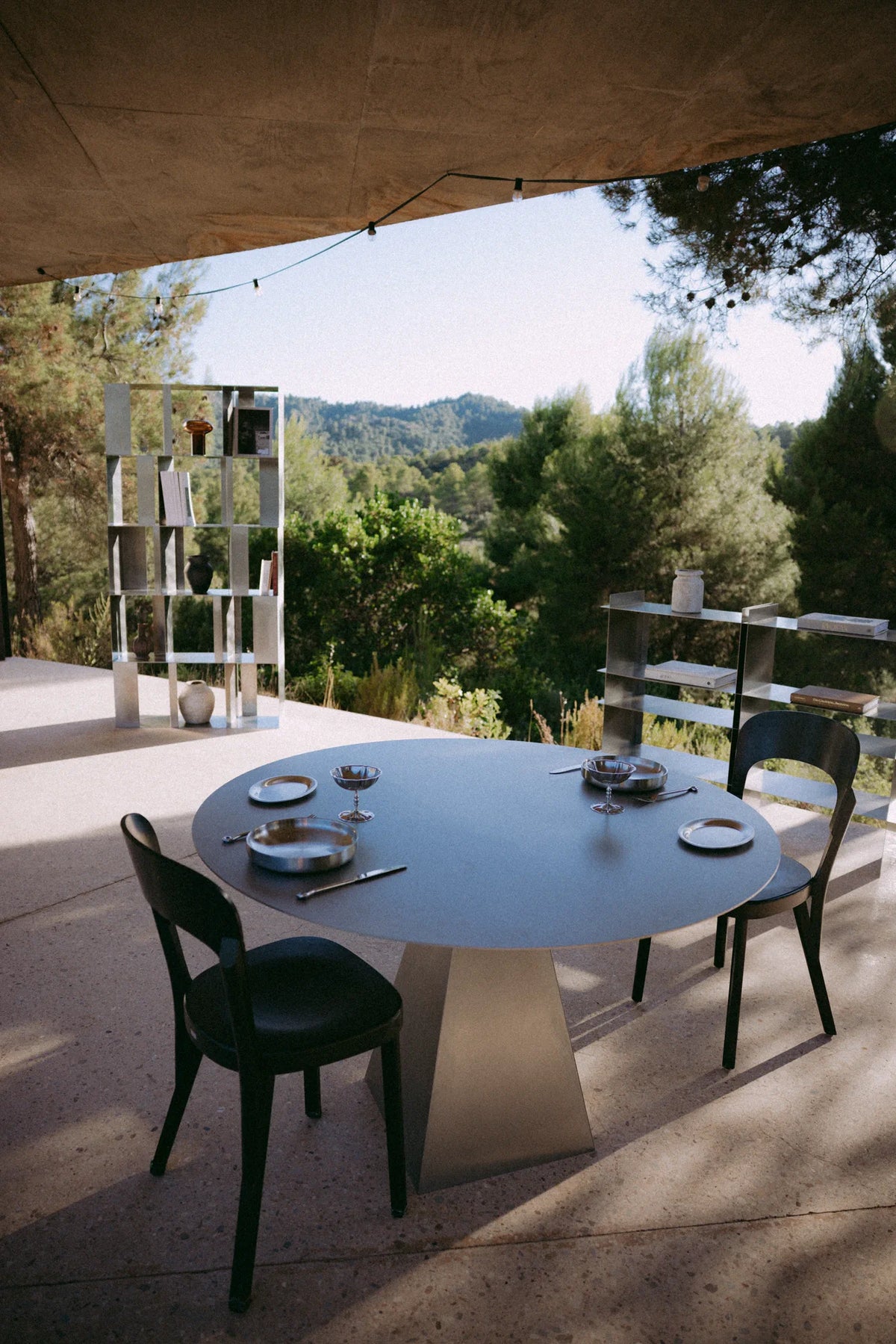
The range runs from large tables to objects for the wall and remains focused because each category needs only a few forms. The dining tables come in lengths from 200 to 300 cm. ZEN DINING puts 122 kg on the floor and is not easily moved again; SAMURAI seats up to eight people. A table like this does not move around. It becomes a place.

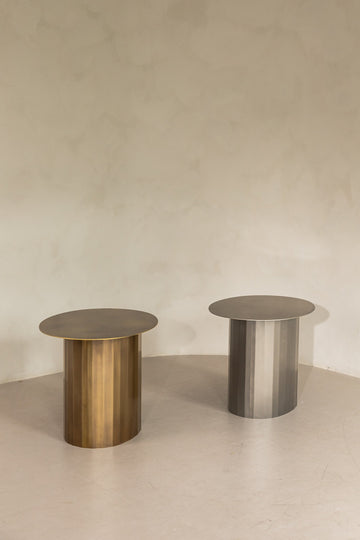
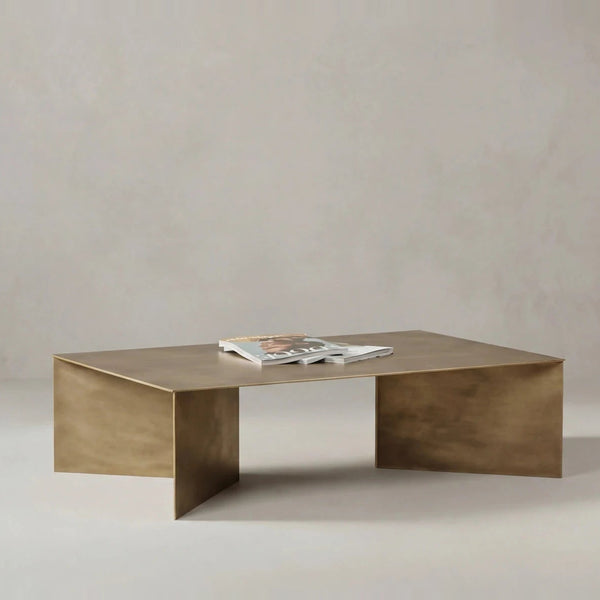
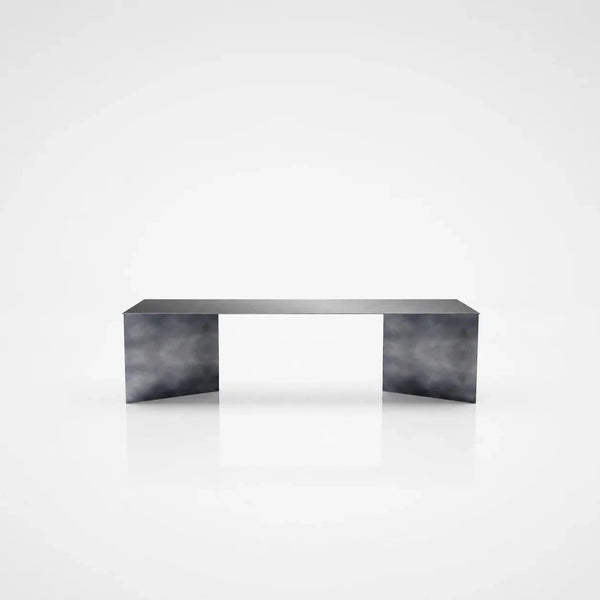
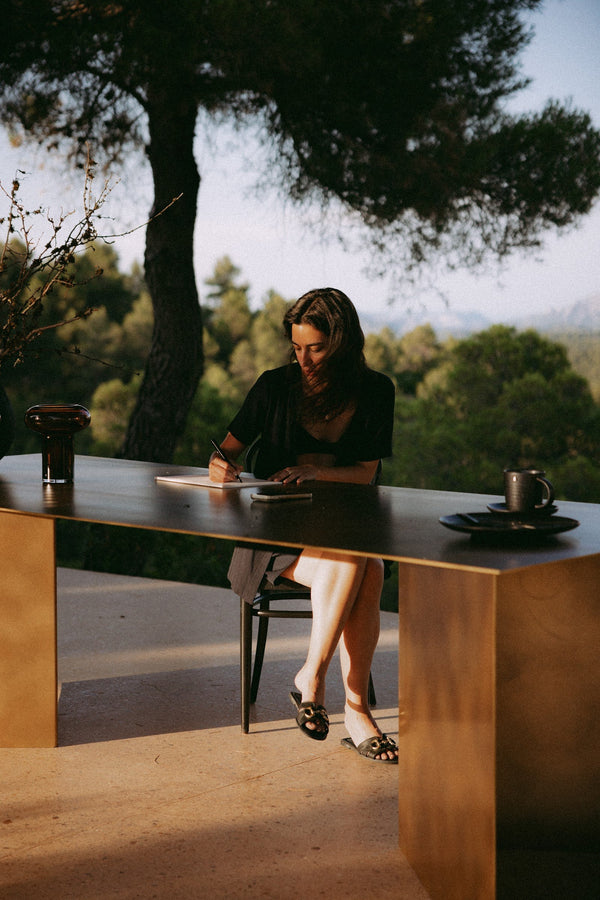
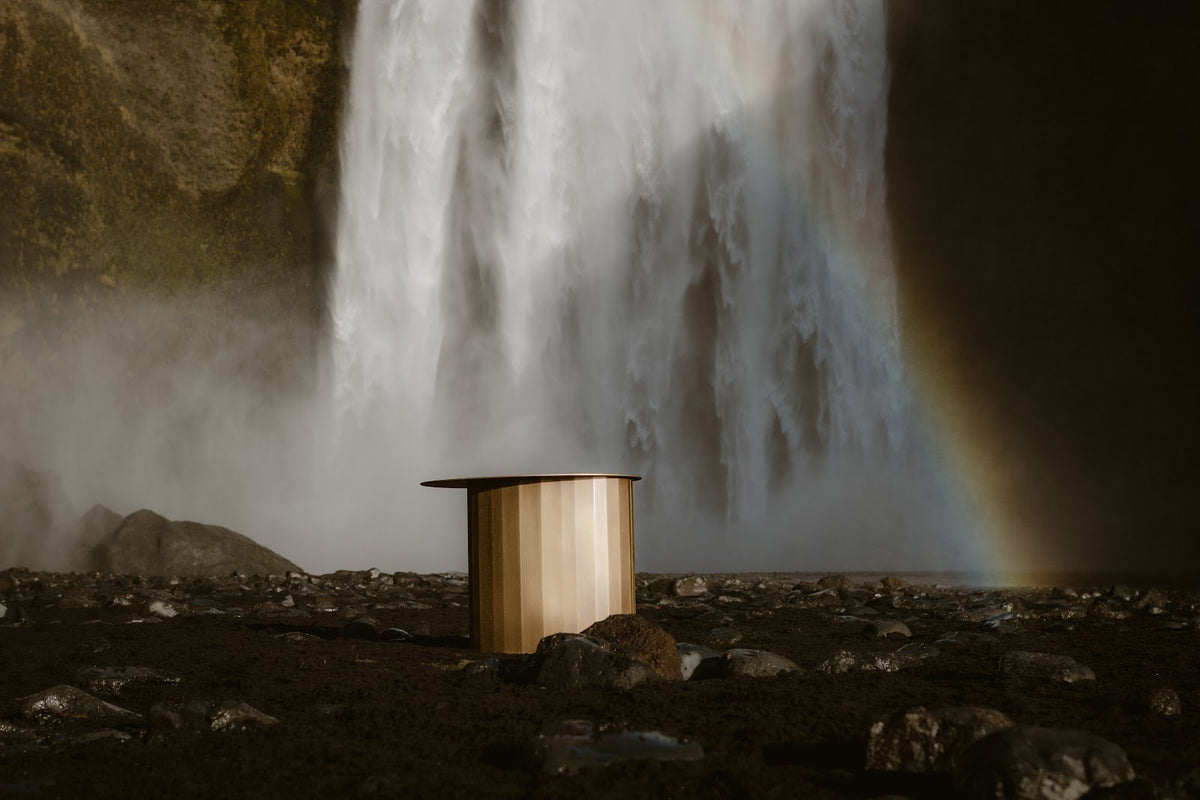
The Coffee tables have four shapes: a round brass disc measuring ⌀60 to ⌀100 cm, a flat plate only 23 cm high, a matt surface on curved legs and a closed cylinder. What they have in common is the restraint with which they stand in the room; each form redeems it differently. Metal furniture of this size transforms a room without being able to say how.

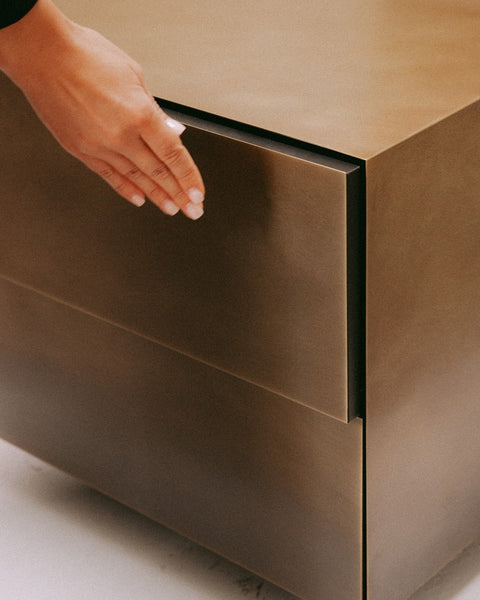
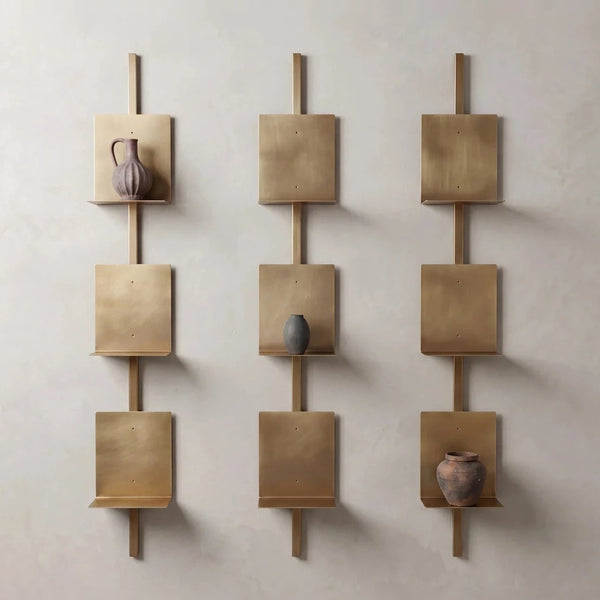
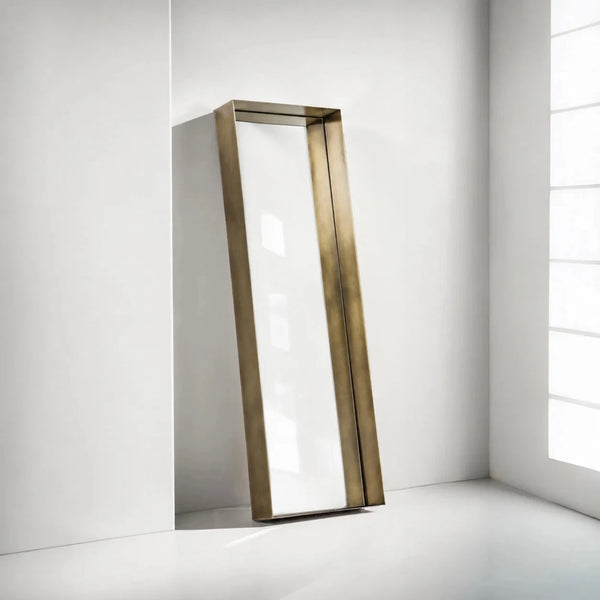
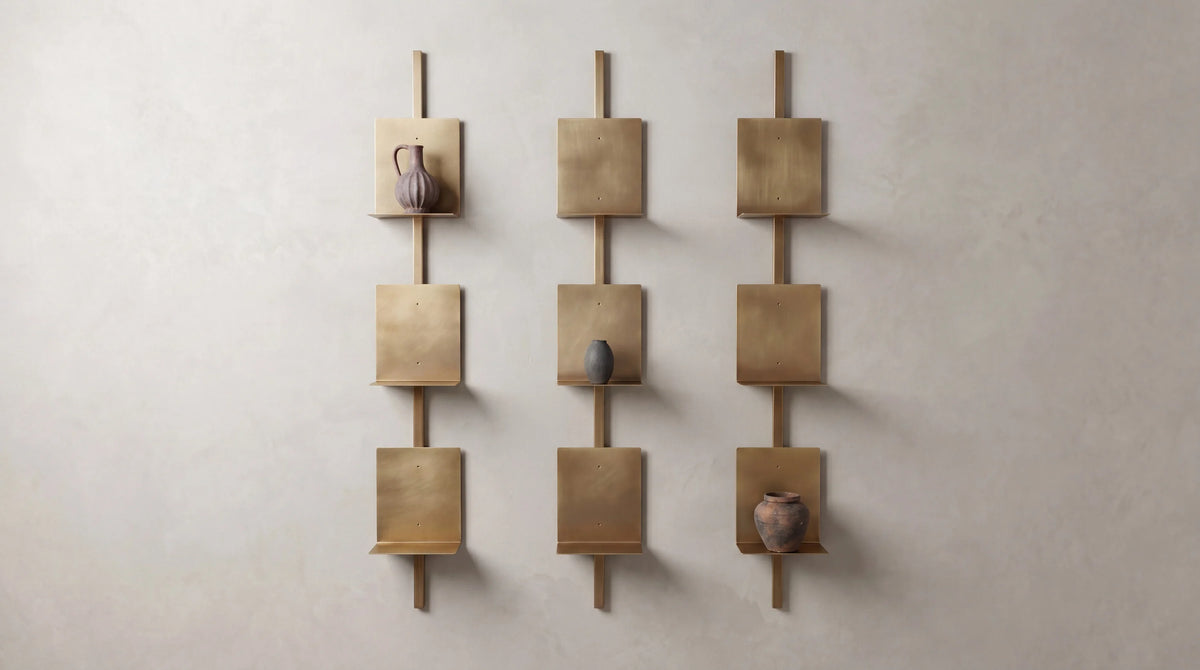
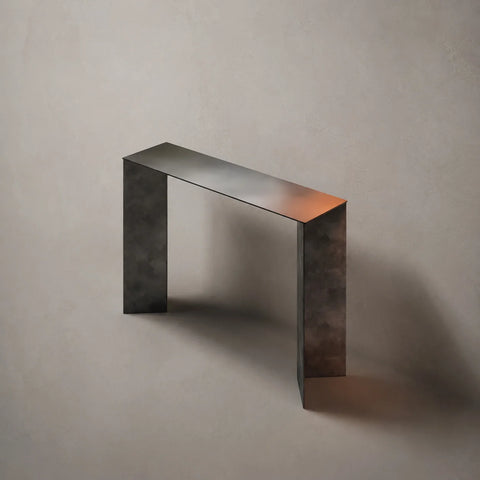
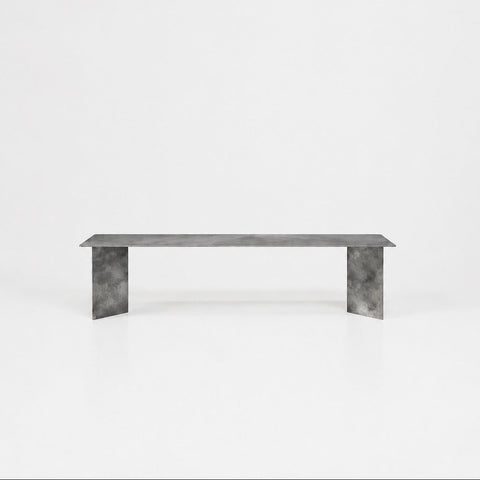
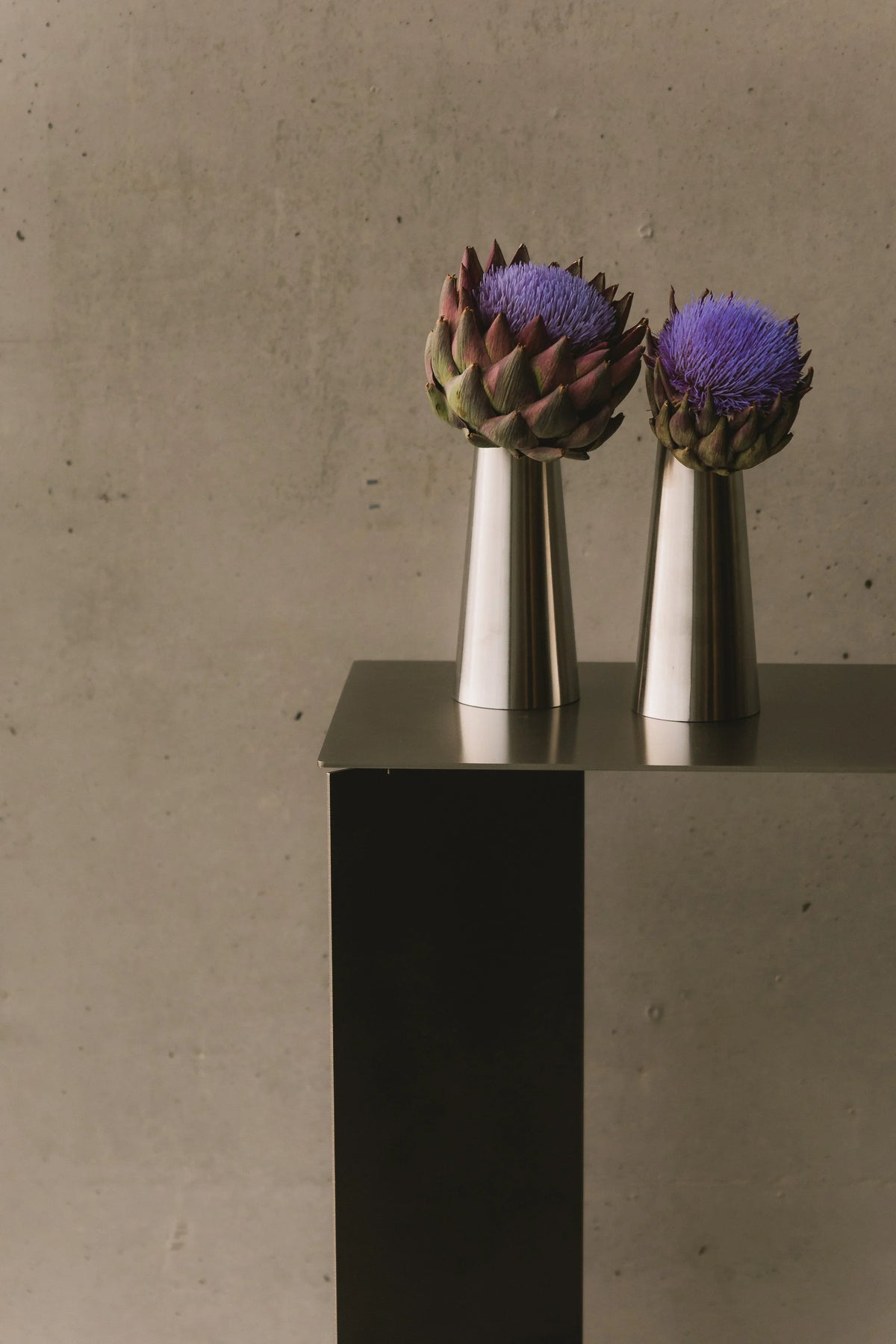
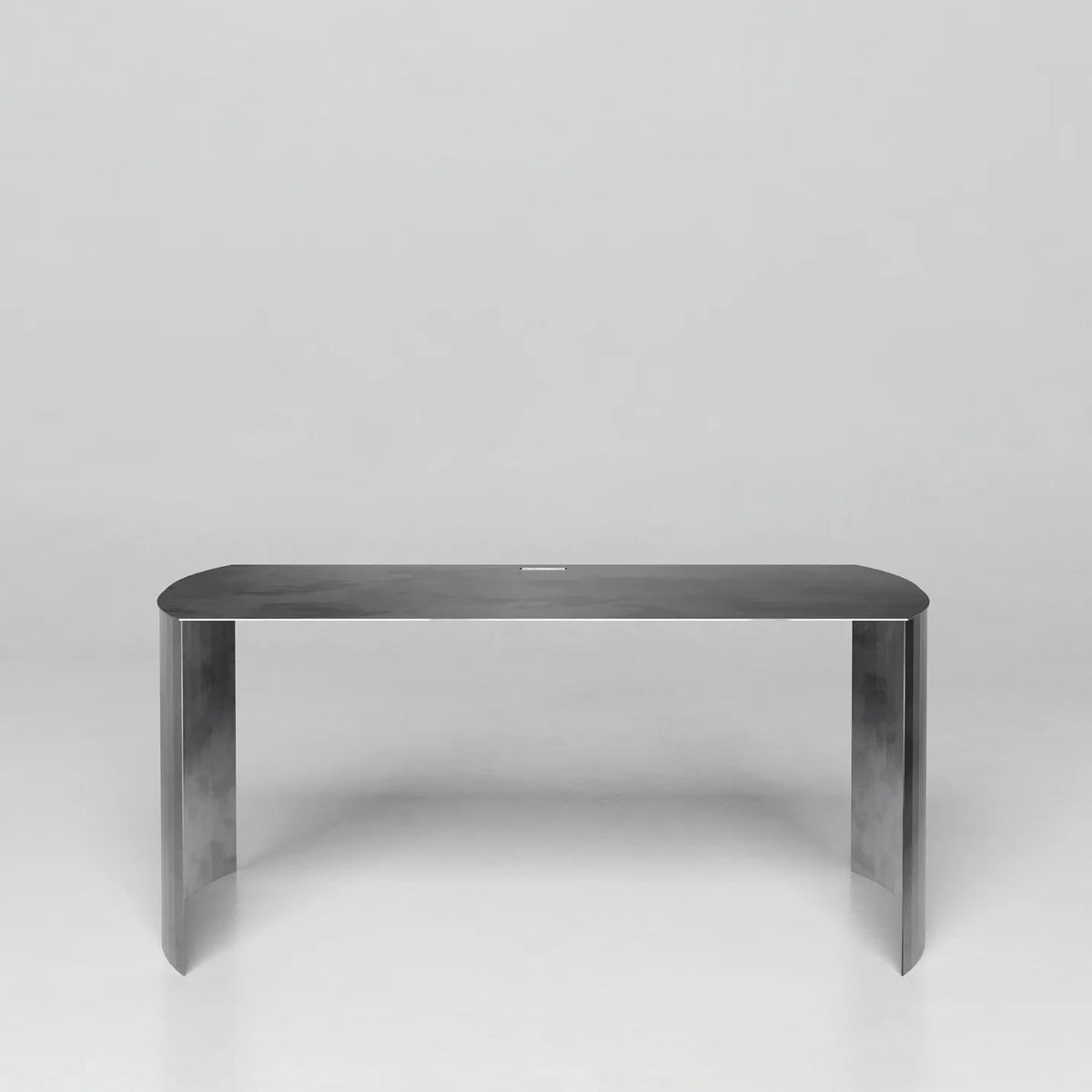
With the shelves the range extends from slim wall shelves in three lengths to a modular system to freestanding shelving with open levels. Under Seating there is a bench and a lounge chair, while the consoles include a console table, a chest of drawers with two drawers and a sculptural form made of brass. The Decoration brings together a mirror, a brass chess set and hand-made wall objects, the largest of which is 100 cm high and weighs around 20 kg.

A few types of furniture, two finishes, no colour range. What seems like a gap is why everything can be combined. Stainless steel shelving and a brass table speak the same dialect. Put two pieces from this range in a room and their shared workshop is apparent without a label.

Modern, made-to-measure furniture instead of catalog goods

Every piece in the program can be changed: in length, in height, in surface, in alloy. If you need a measure that doesn't exist, describe the space; The manufacturer responds with a drawing and a fixed price, and construction only begins when both have been accepted. Usually it's about ten centimeters more table length, a height that fits an existing sofa, or a niche that isn't provided for in a catalog.

For exclusive furniture, this is exactly the difference between a workshop and a catalog. The catalog offers variants that someone thought were likely. The manufacturer offers the variant that a specific room requires and does not have to change anything because each piece starts individually anyway. A bespoke dimension is not an exception to the process, but the process itself.

It is also decided what will not be built. No pull-outs, no wheels, no storage space behind flaps, no white or black color options. Anything that moves out, rolls out or opens requires mechanics, and mechanics require joints. With metal furniture, however, it is the uninterrupted surface that is what you see. She carries the light; what interrupts her takes something away from her.

The renunciation has a second effect that only becomes apparent over the years. Because neither the construction nor the surface changes in the meantime, a metal piece of furniture that is ordered five years after the first one does not look like a latecomer. Programs that renew themselves every season can't promise that. One that barely moves doesn't have to.

Delivery, advice and the way to order

Delivery is made to the kerb by a freight carrier. Shipping is free for all categories except dining tables; items in stock can be returned within 14 days. Heavy pieces are best carried by two people; that is not a rule, just experience.

Whether brass or stainless steel belongs in a room is difficult to decide from photographs. Patinated surfaces change with the light; an image only records one state. A video call can therefore be arranged via the product pages; the camera then moves over both materials, and the difference is evident in the movement. If you already have measurements, send them along.

Most of the time the material question is answered after a few minutes and the conversation turns to something else: dimensions. A hallway that is two centimeters narrower than expected, a sofa that is deeper than usual, a wall that is shorter than any length in the program. This becomes clearer more quickly on the screen because both sides are looking at the same drawing.

At the end of this path there is no order from a warehouse, but an order to a manufacturer. The difference is small as long as you just read it. It becomes big when a metal piece of furniture is placed in a room for which it was intended, rather than in one in which it happens to fit.

Frequently asked questions

What are your metal pieces made from?

Patinated brass and brushed stainless steel define the range. The furniture is sealed: dining and coffee tables with 2K clear lacquer, all other pieces with clear lacquer.

Do stainless steel and brass rust over time?

No. Stainless steel is corrosion-resistant, and brass contains no iron that could rust. Brass gets its dark tone from patination in the workshop, and the subsequent sealing preserves it. Different finishes such as RAW are stated on the individual product.
Where is the furniture made?

In our own workshop in Germany. Lasering, edging, welding, grinding and surface finishing take place in the same house where the design takes place. The workshop has been working with these two metals since 2000.

How long until my furniture arrives?

Most pieces are made after the order is placed and take five to six weeks; some models are available sooner. The exact delivery time is shown on each product. Delivery is by freight carrier to the kerb, free of charge except for dining tables.

Are individual dimensions possible?

Yes. In production where each piece begins individually anyway, this is more the rule than the exception. Different dimensions, surfaces and alloys are possible. A drawing and a fixed price are available before production.

Can I get advice before buying?

Yes. You can book an appointment via video call via the product pages. It is particularly worthwhile when deciding on the material and for bespoke dimensions, because patinated surfaces only show a part of their effect in photographs.

Do brass and stainless steel go together in a room?

Yes, and many rooms do exactly that. Brass brings warmth, stainless steel brings clarity, and both come from the same design language. A look at the metal tones that are already present in the room, such as on door handles, lights or fittings, will help you decide which of the two should lead.