Knee space and leg positioning: where many tables fail
The dimension often missing from a data sheet, yet important every day, is the space beneath the tabletop. An office chair with armrests must fit underneath. Your legs need room to change position without meeting the frame. If you always sit a little farther from the desk than you would like, its underside may never have been properly considered.
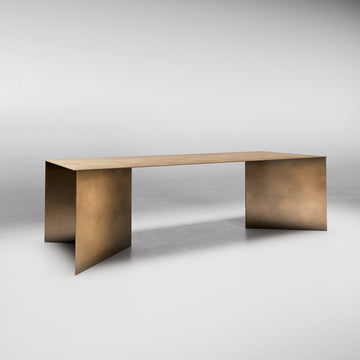
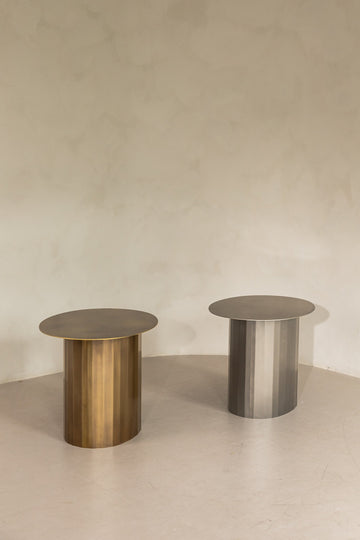
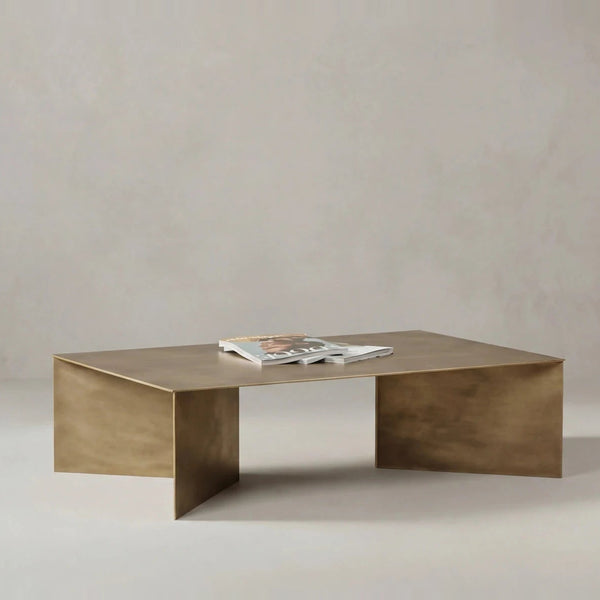
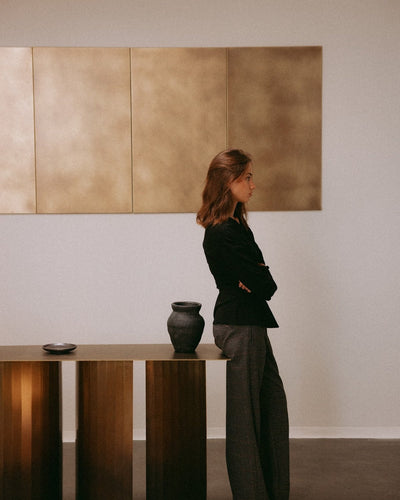
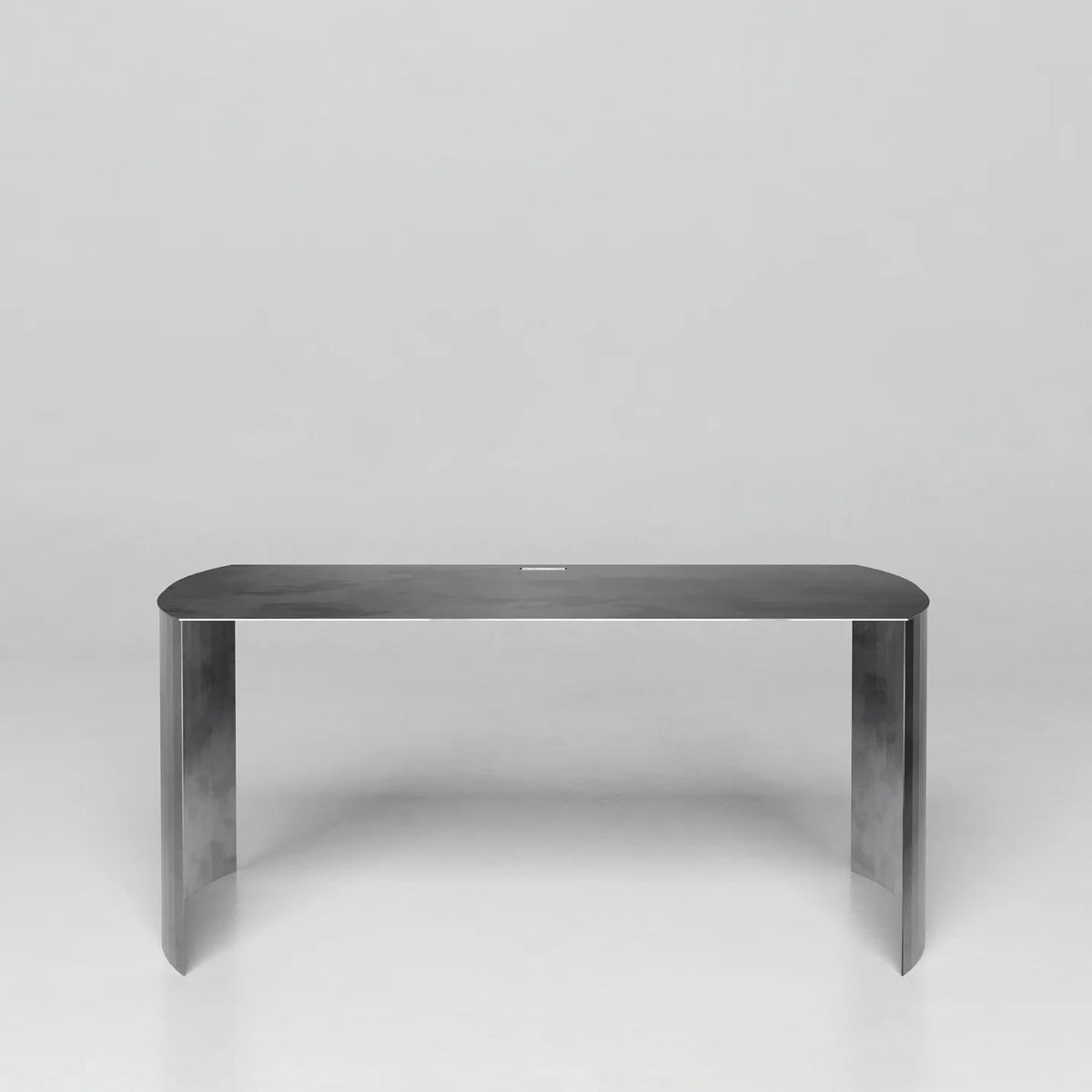
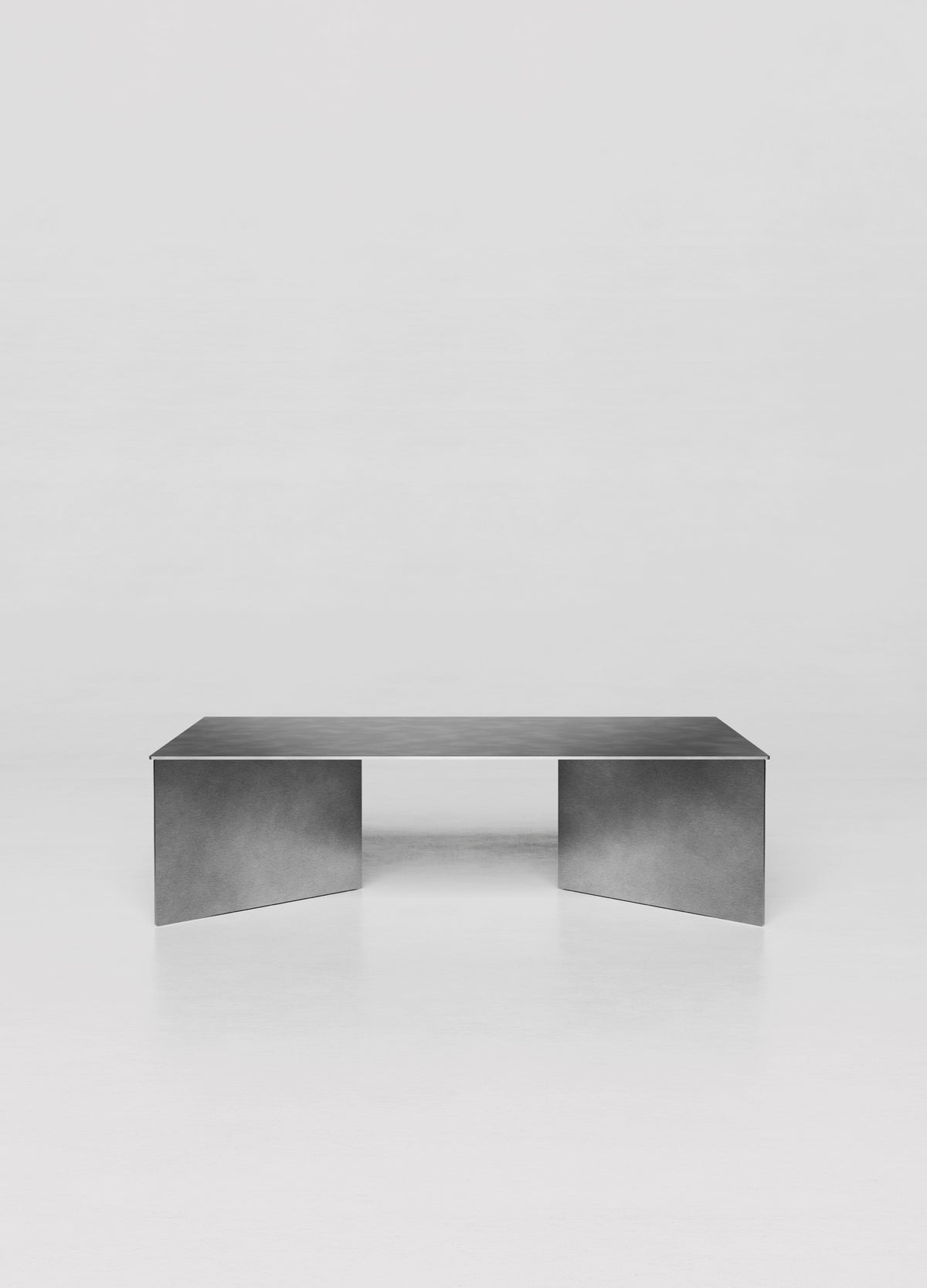
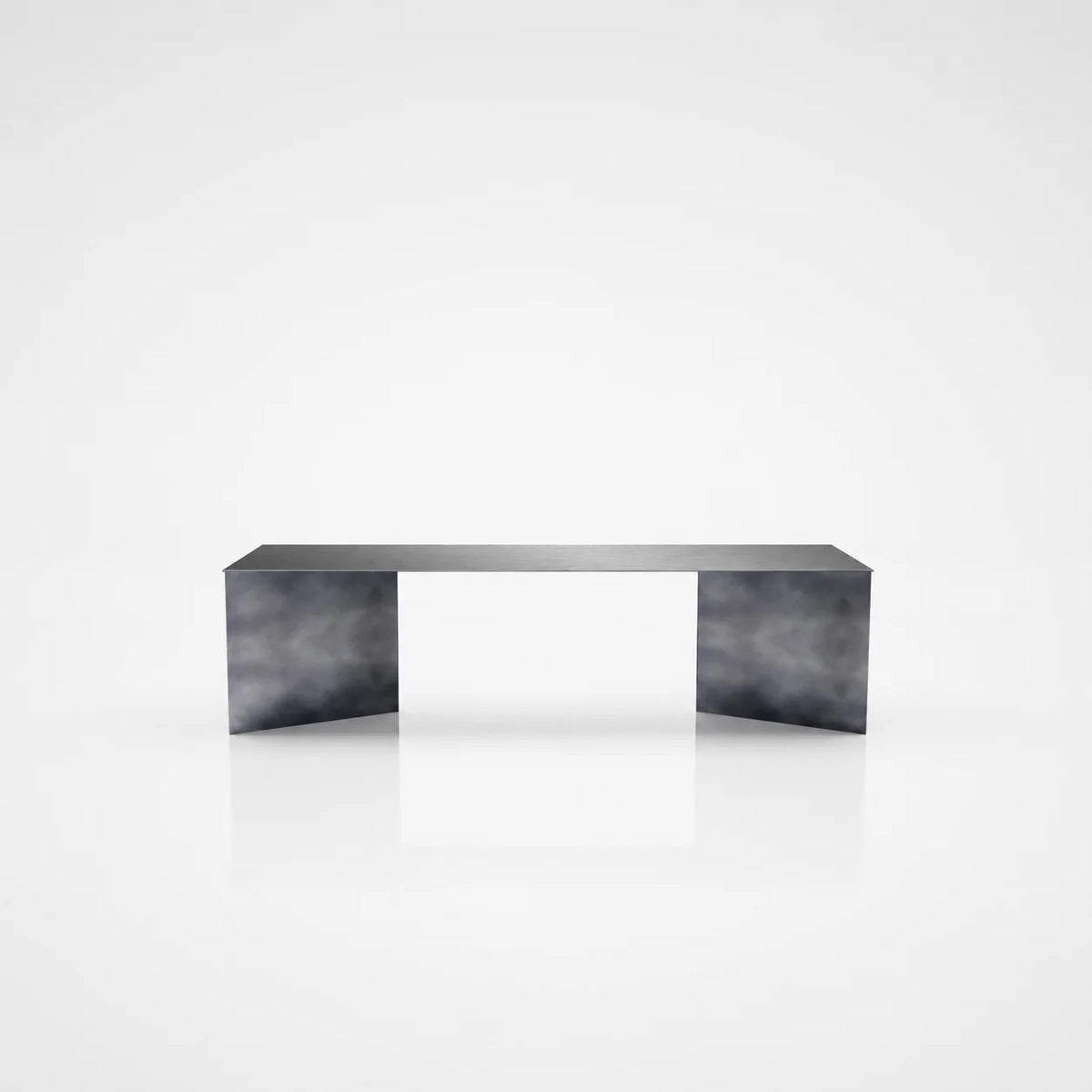
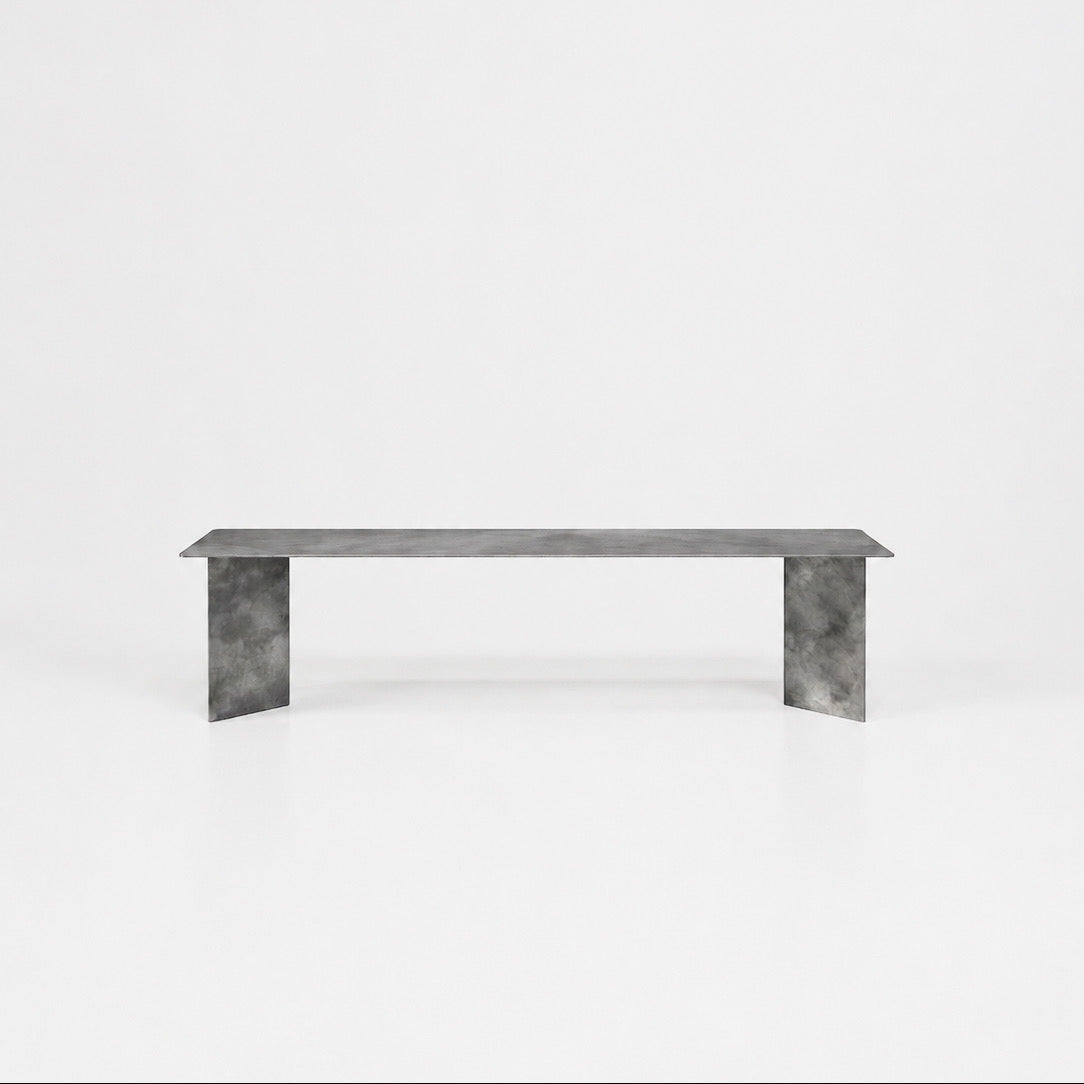
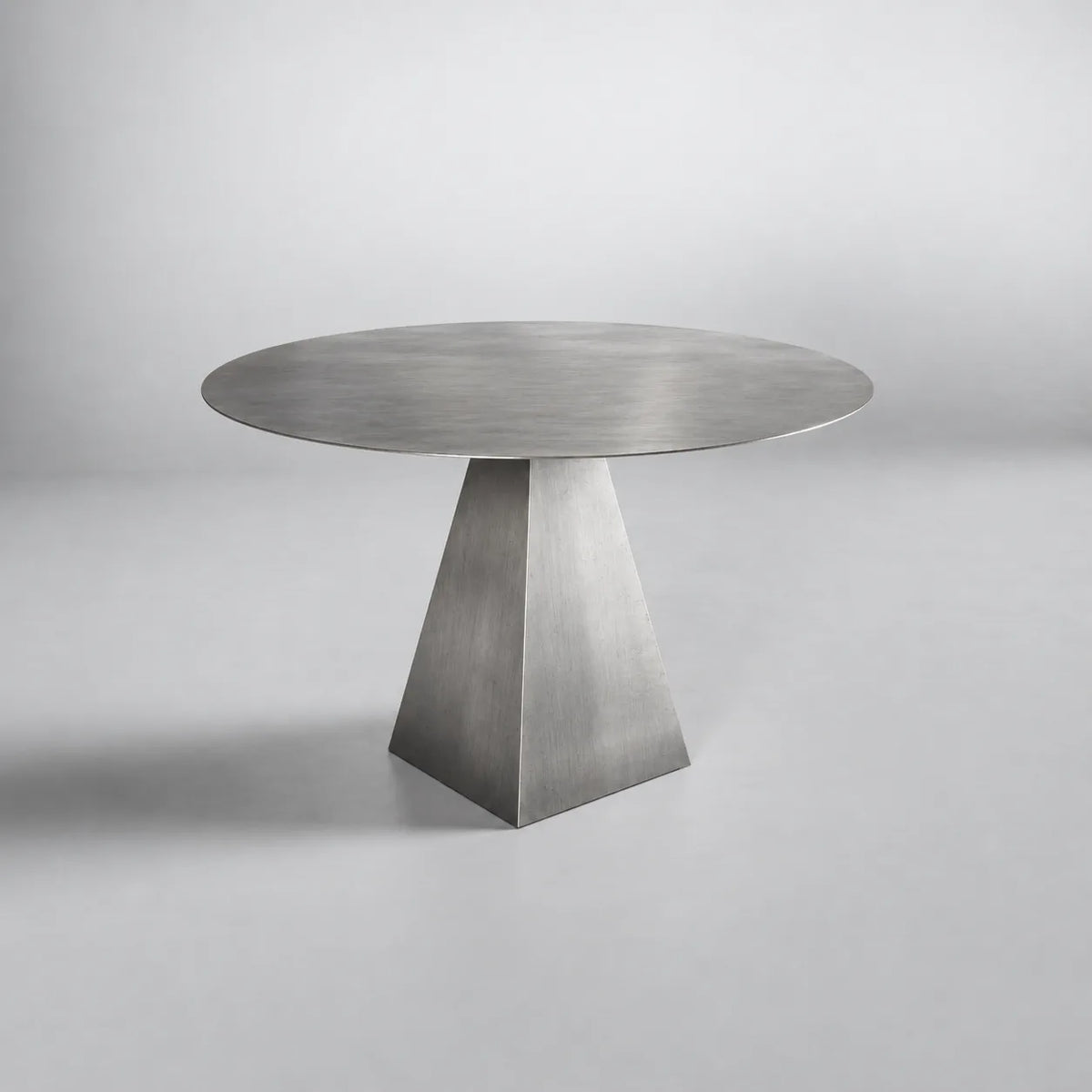
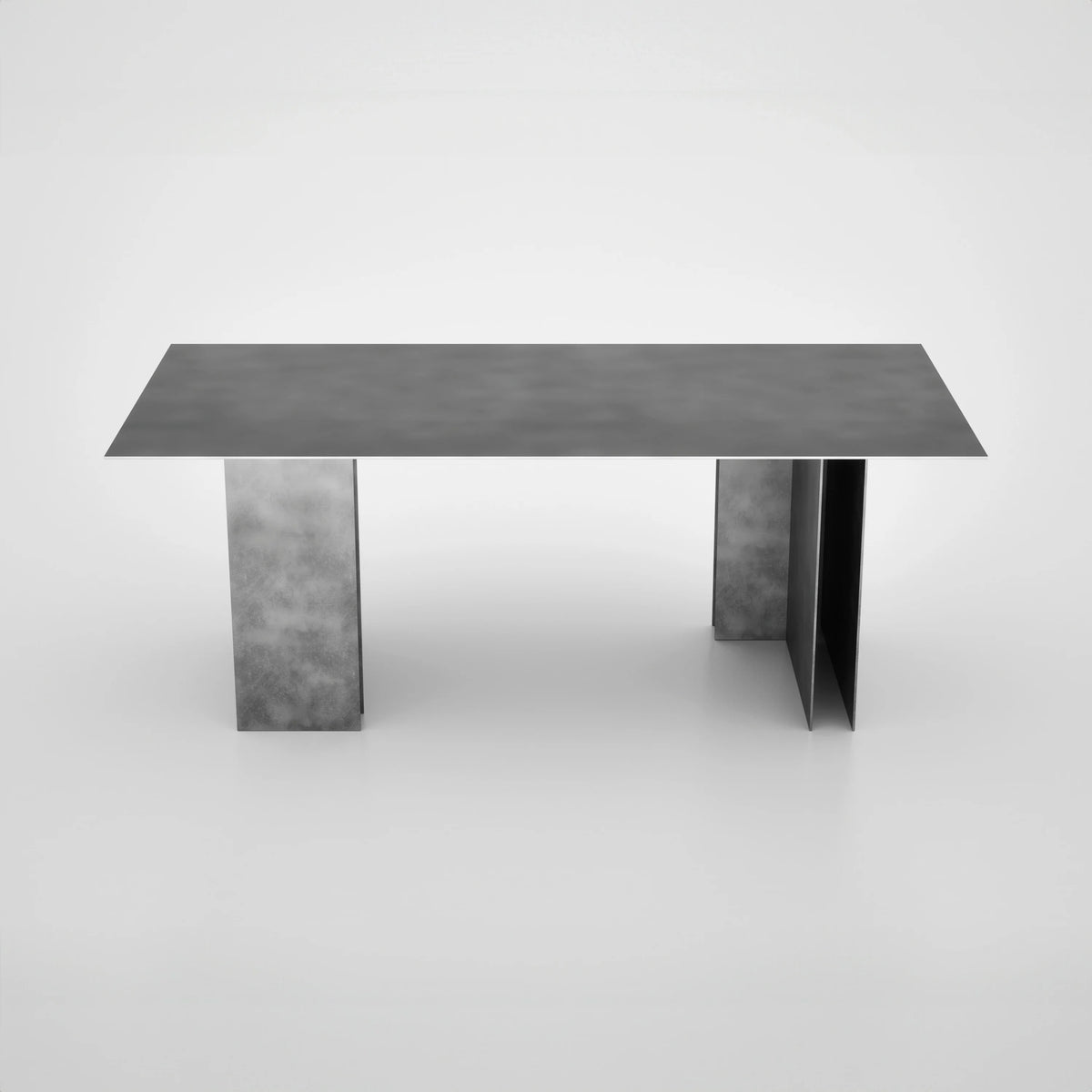
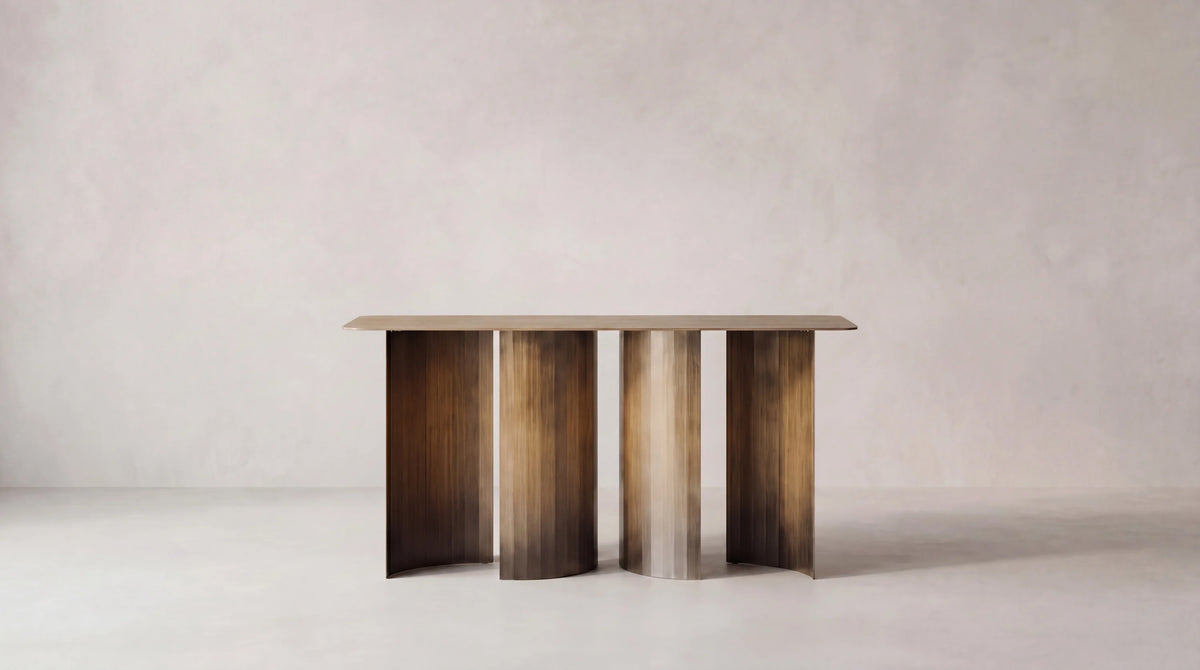
For tables with sculptural bases, this is a real question, not a formal one. Two cheeks that are far outwards leave the middle free and are ideal for a workplace. A frame that moves inwards often looks better, but it restricts exactly where the knees are. What a table promises from above is not always fulfilled below.
The clear knee space depends on the model and will be specified on request. Anyone who says before ordering whether there should be an office chair with armrests underneath will have the model checked instead of regretting it afterwards. One sentence in the request saves a table that fits from above and not from below.
A table's most important surface can be the one nobody sees. The tabletop is photographed and the frame described, but the underside is experienced every day. A table that works underneath can go unnoticed for years. Furniture rarely receives a better compliment.
The dining table as a desk
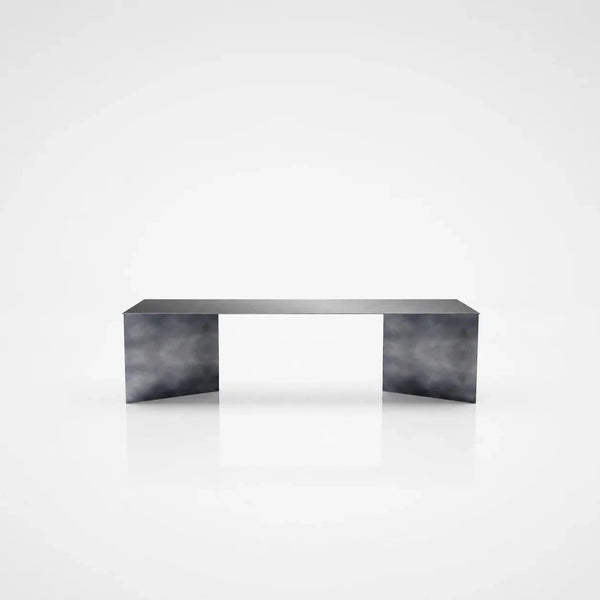
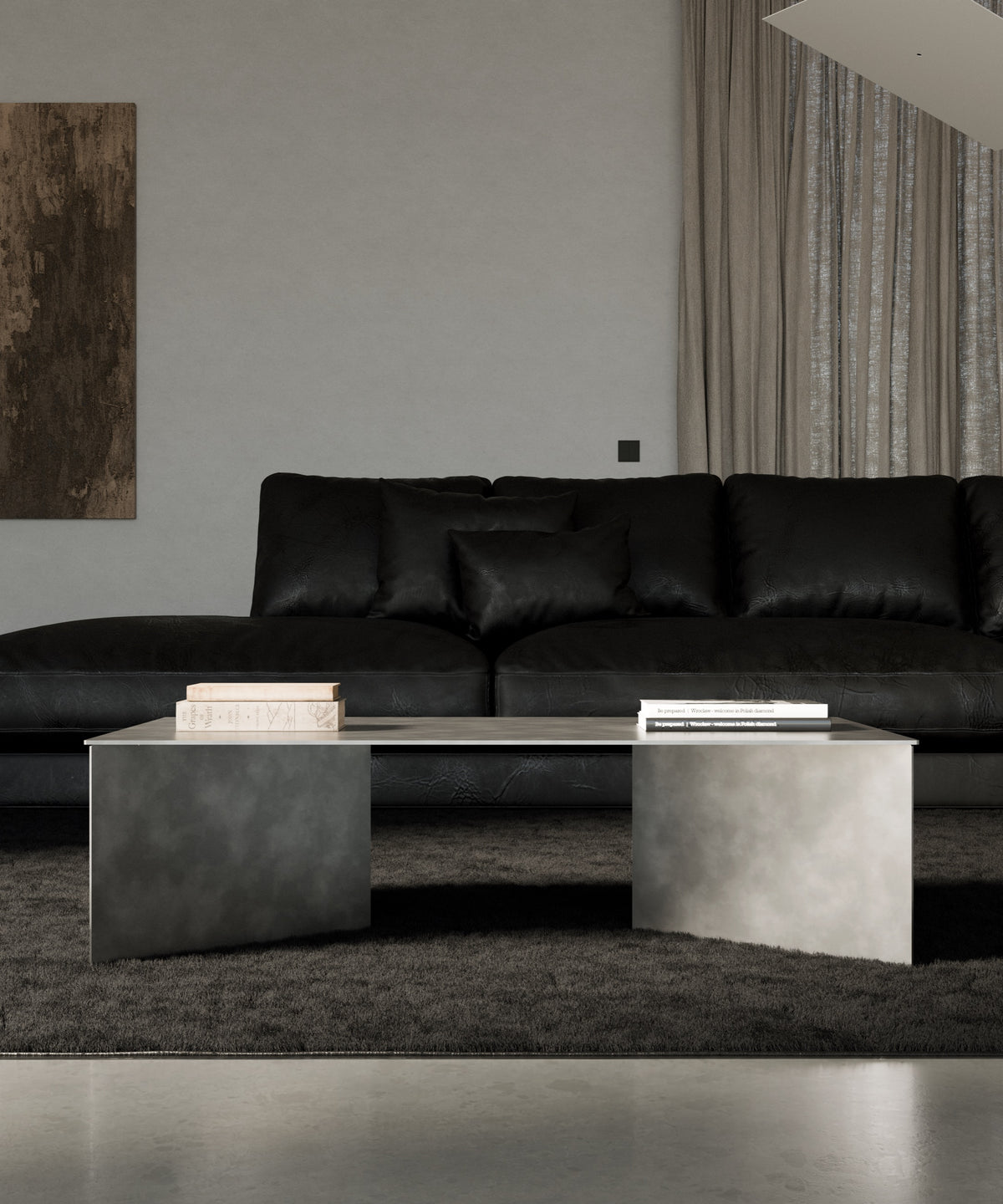
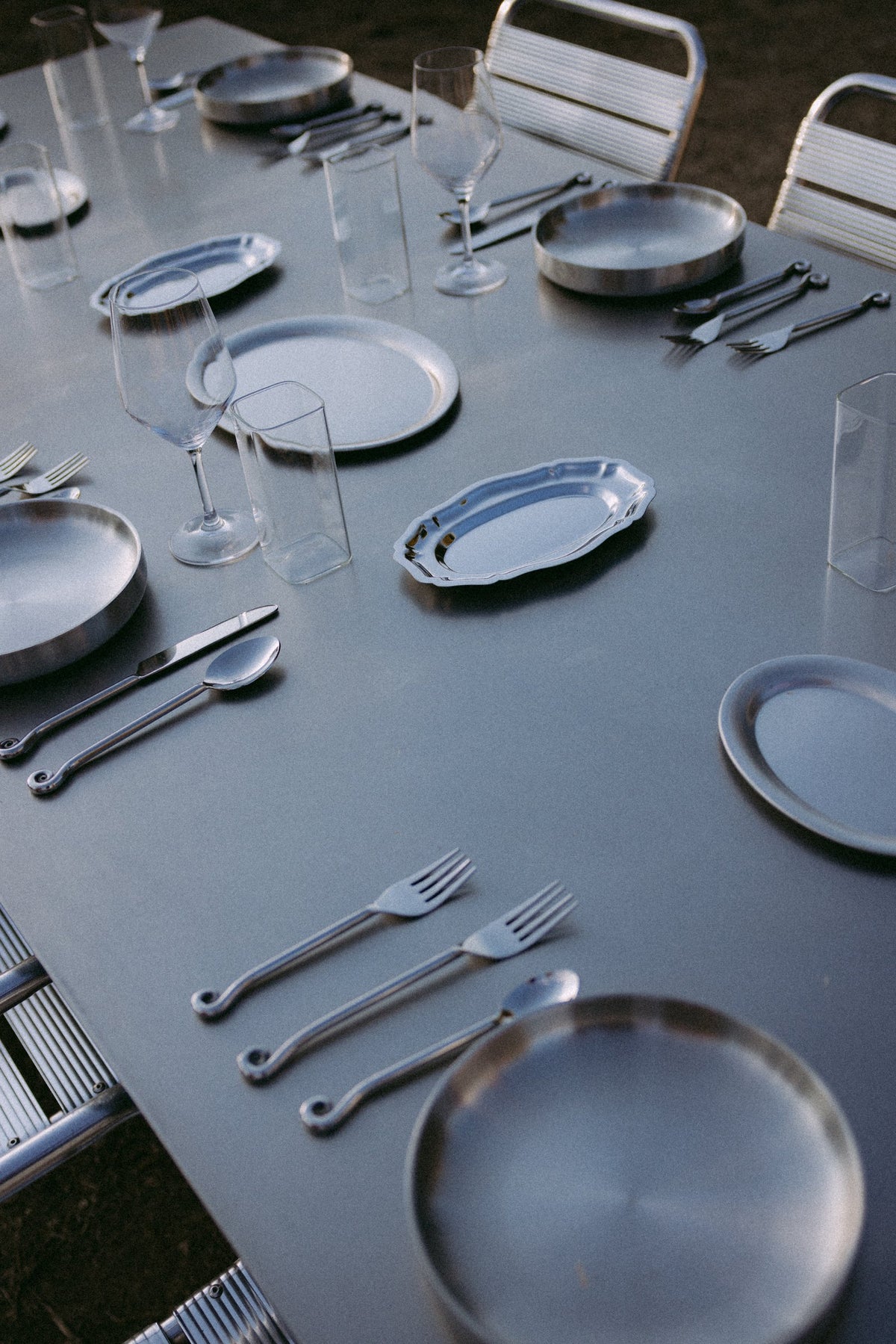
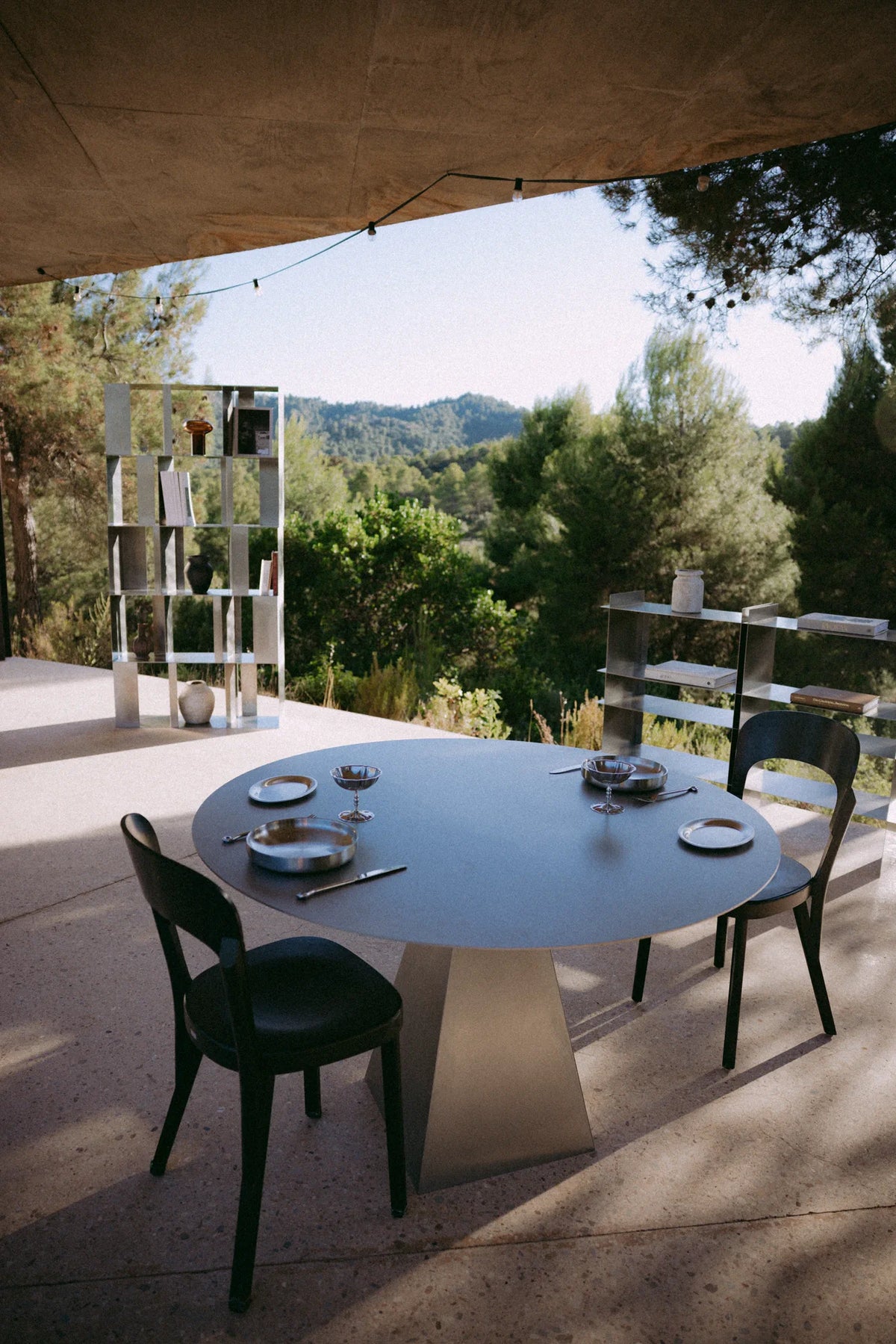
Most of the tables in the house can be used as a workstation because they are the right height and because a stainless steel top is insensitive to everything that happens on a desk. SAMURAI comes closest to the task at 200 × 80 × 75 cm. The 80 cm depth corresponds to what is usual in a workplace: screen at the back, keyboard at the front, with a strip in between for the hands.
100cm depth is too generous for a single screen. He moves further away than he should, or there is an area behind him that only collects dust. So the work surface follows a different logic than the dining table top, even though they are both the same top. There the middle is reserved for bowls, here it becomes a blind spot behind the monitor.
More space for two monitors or paper-based work can be found among the dining tables, with lengths up to 300 cm. The 100 cm-deep models can serve as a shared workspace for two people sitting opposite one another and dividing the depth equally. A table for eight becomes two workstations without changing the furniture.
In the Desks category there is also OYAKATA, a specially designed model made of stainless steel measuring 181 × 79.9 × 80 cm. In the end, the question is less about which table is a desk than which table remains a desk when the laptop is closed in the evening. The record answers this question, not the label.
Designer desk: what separates it from the office program
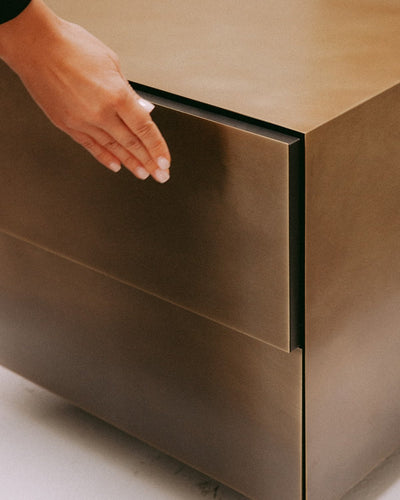
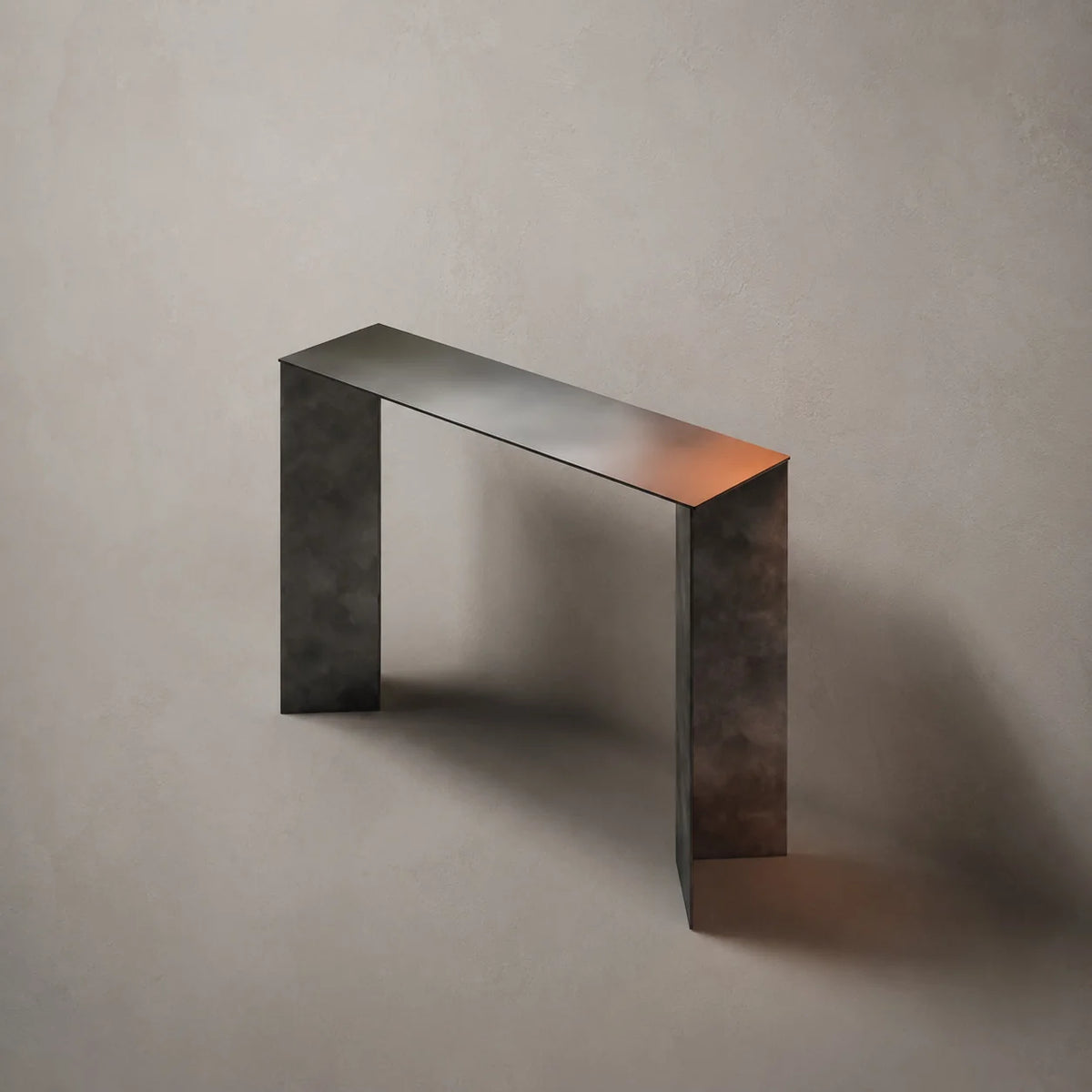
A designer desk differs from the office range in three ways, and none of them is the look. The first is the material: stainless steel or brass instead of coated wood material, i.e. a surface instead of a print. What you touch is what the table is made of, and it stays that way. Nothing comes loose, nothing swells.
The second difference is underneath. Office desks often hide cables and equipment behind a panel. An open frame has nothing to hide, so the underside receives the same care as the top. This is easy to overlook when buying and hard to ignore when sitting: your knees spend more time near the underside than your eyes do near the tabletop.
The third is dealing with cables. A permanently installed cable duct fixes a piece of furniture to a device status that changes every three years; the furniture itself is built to last for decades. Both don't go together. The more honest solution is a cable tray that is subsequently clamped under the worktop, or a power strip on the wall behind the table. Both can be swapped without the table noticing.
A luxurious desk is not the one with the most features, but the one that will still be the same piece of furniture in five years. Features age with the devices they were intended for. A table made of metal does not have this rhythm. He waits for the next device to arrive, and the one after that, and remains the same.
Special height, bespoke dimensions and the process
In this category, custom-made furniture is the rule rather than the exception, because a workplace is more dependent on the body than any other piece of furniture. A sofa forgives a lot, a workplace forgives little. Height, length and depth can be changed, and all three follow less the space than the person sitting there.
Three pieces of information are sufficient: the height of the person working there, the dimensions of the wall or niche and the question of whether an office chair with armrests is used. The rest comes from these three values. Before production, a drawing with the actual dimensions under the panel is created, so that the decision is not based on a guess, but on a sheet.
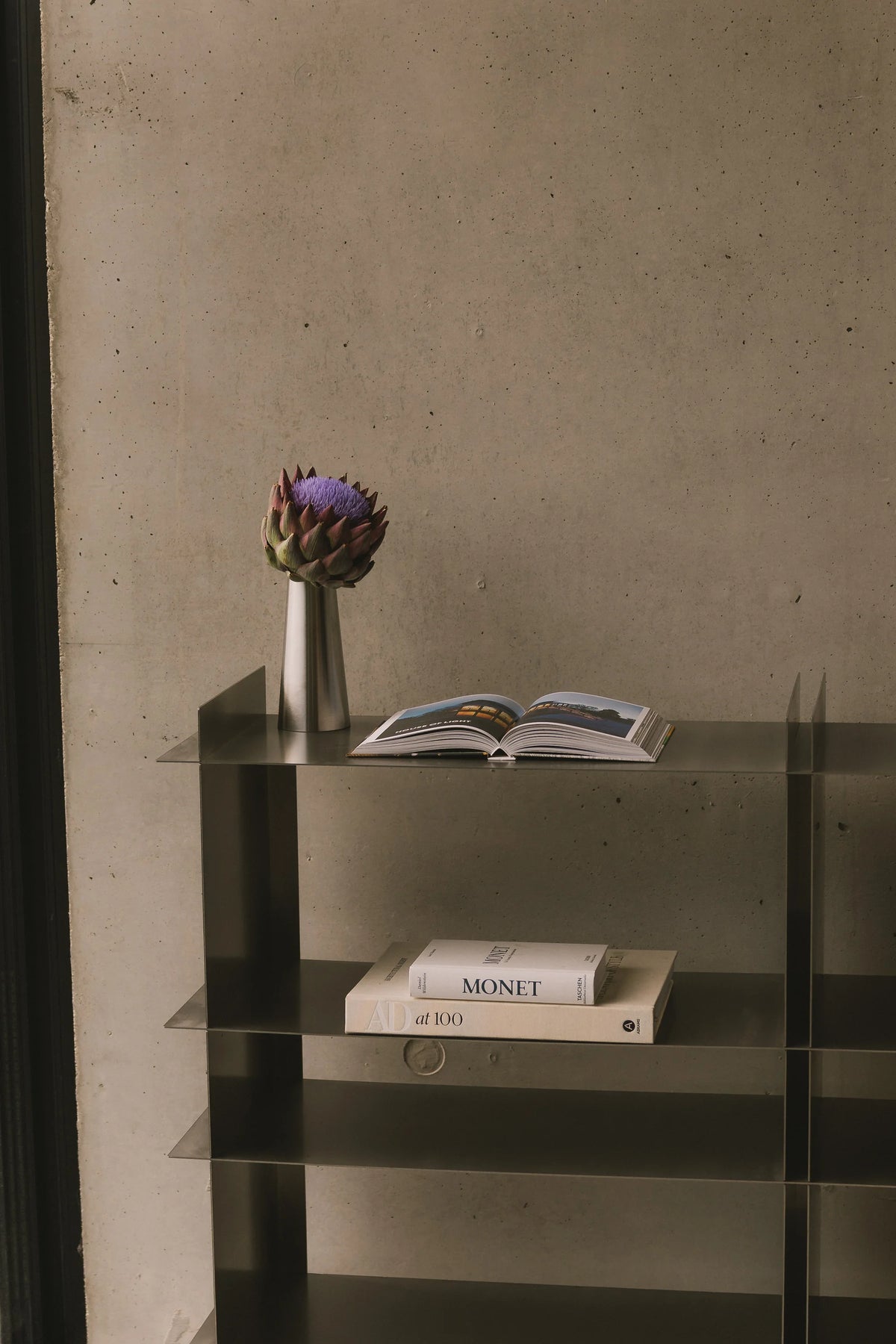
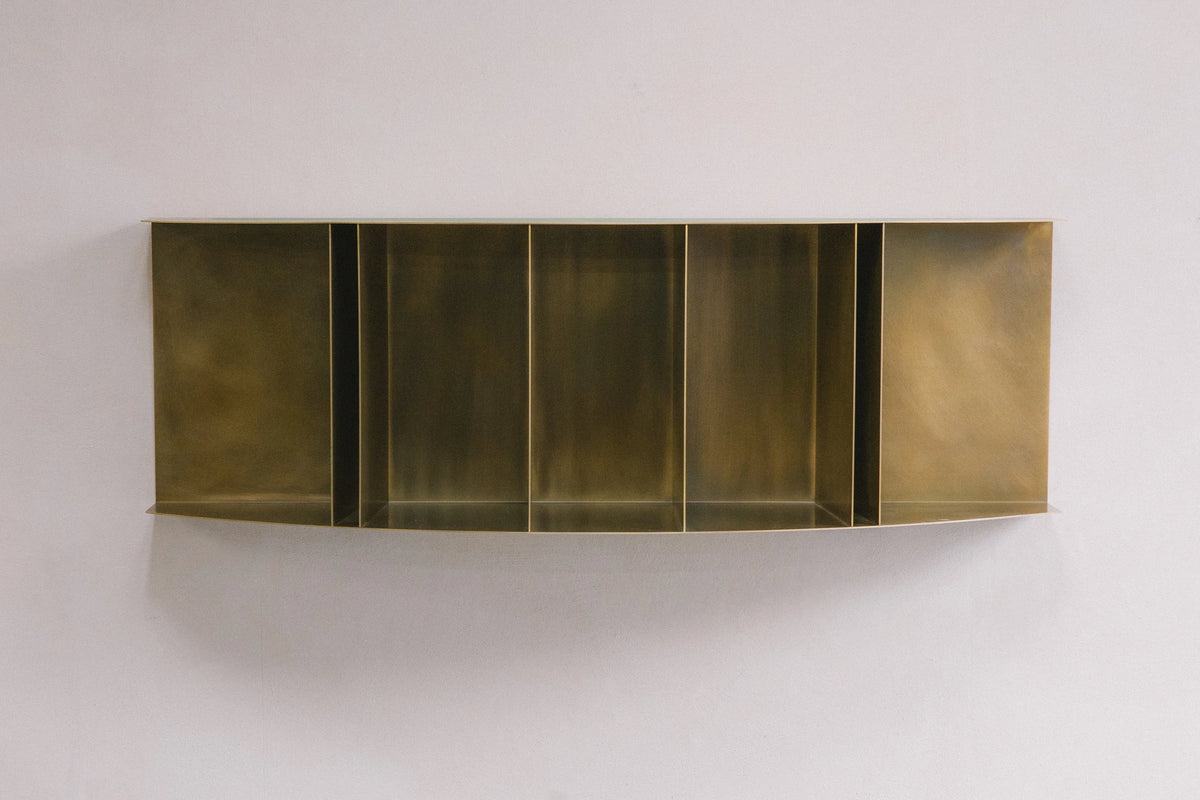
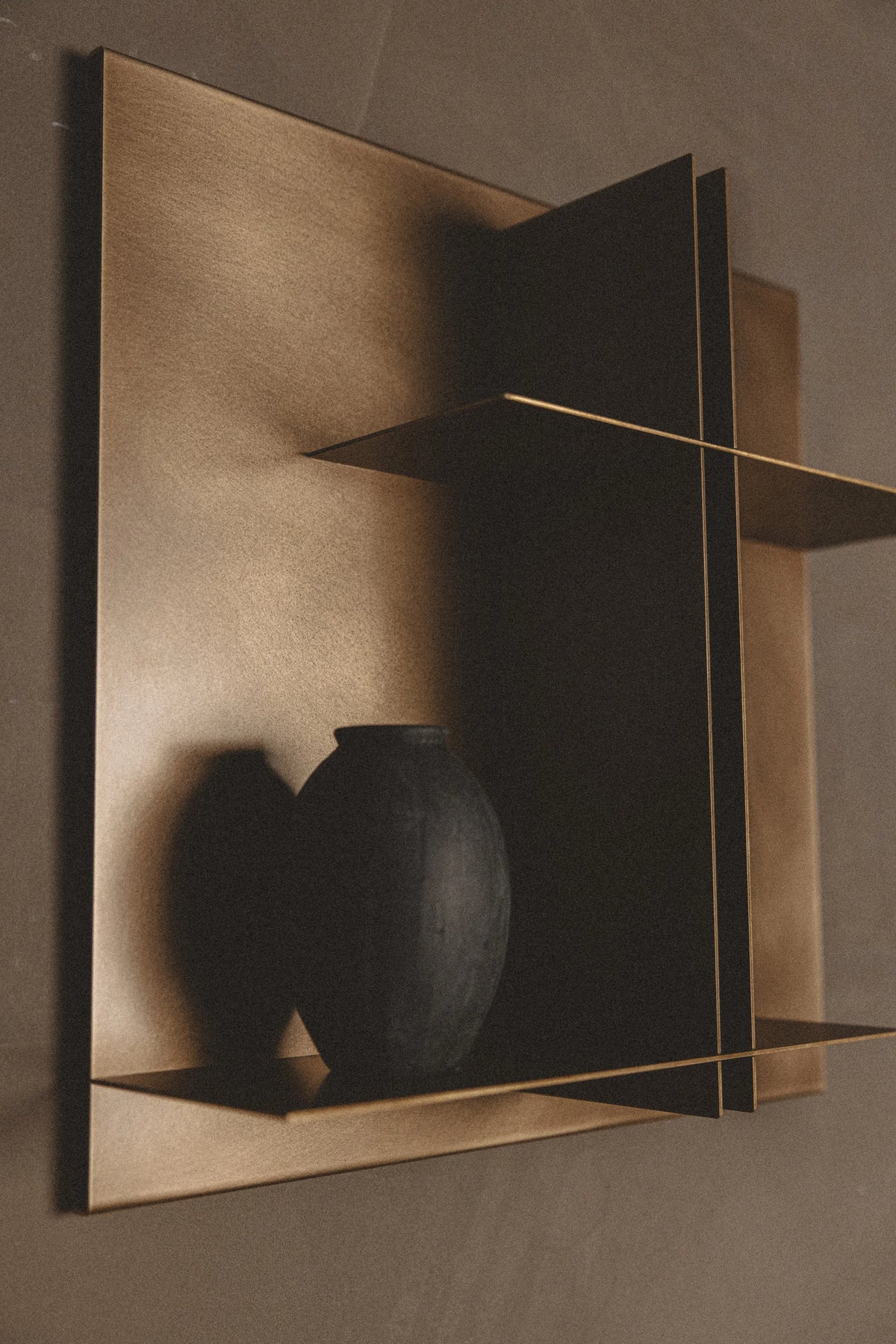
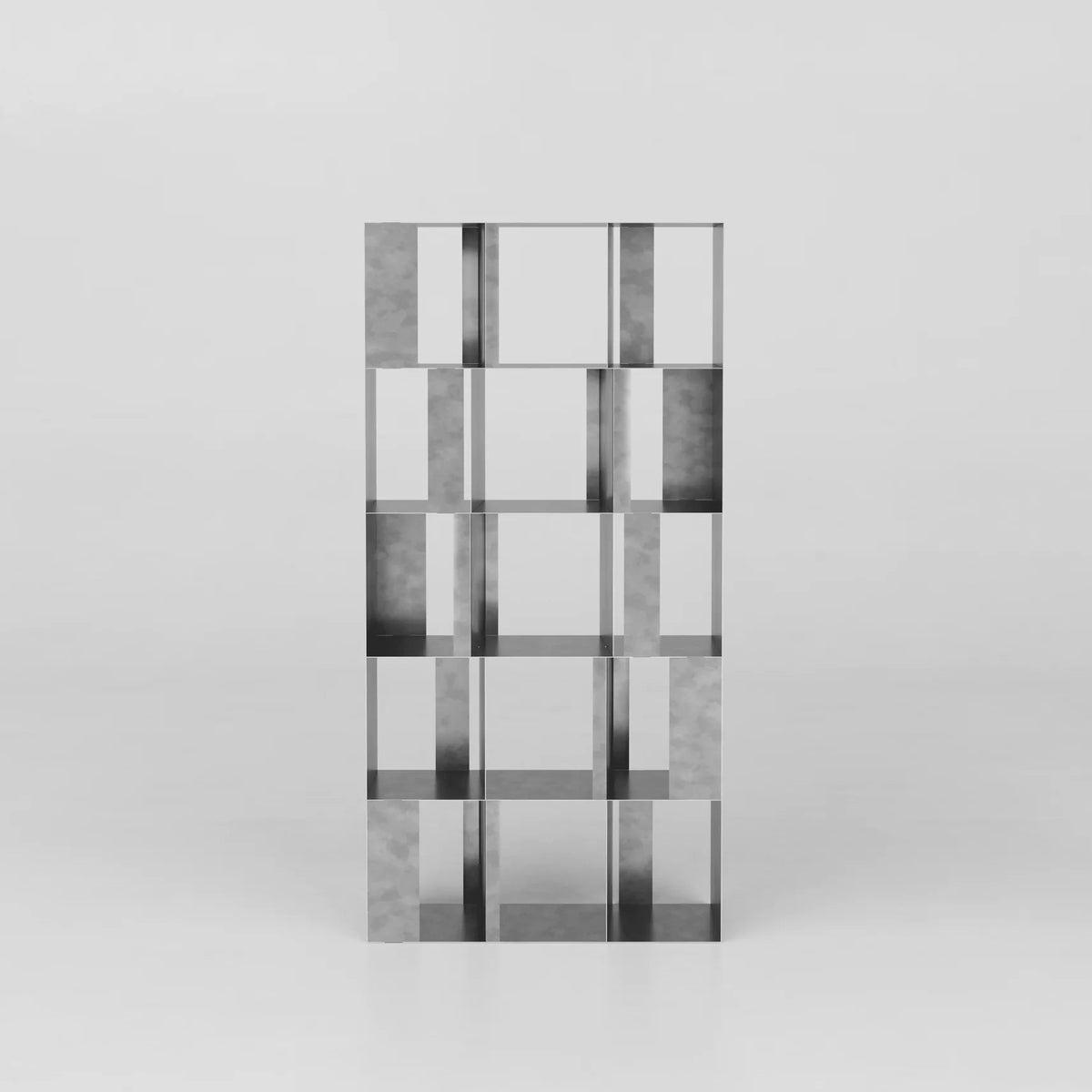
The table will be in the workroom five to six weeks after release. In addition to the workplace, the Consoles take over the filing, folders and books go to the shelves. Both follow the same material language as the table, creating a study that looks like a room in the evening and not a department.
And if it turns out that a height-adjustable table would be a better answer, that will be said. No one is built, and a fixed piece of furniture is the wrong thing for someone who wants to alternate between standing and sitting. A desk from this manufacturer is made for one posture, not two. Anyone who knows her will find a place in him that can no longer be disguised.